
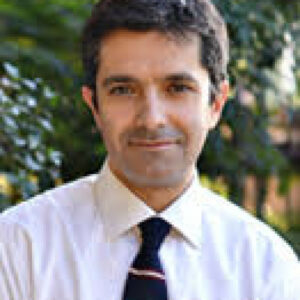
Director
This program was established in 2013 with a precise objective: to assess the role of Jews in the birth and transformation of the Medici state. During the first three years, analyzing just one of the many collections comprising the documentary repository produced during Medici rule, we identified more than three thousand documents—the vast majority previously unknown and unstudied—particularly letters written in connection with or addressed to Jews living outside the Medici state. Though representing only a small portion of all documents potentially recoverable through a systematic and complete review of all Medici-era documentation, these materials offered fresh interpretive frameworks for understanding both the development of the Medici state and the history of Jews during the Diaspora period.
THE GHETTO MAPPING PROJECT
A few years later, from the end of 2016 onward, our focus shifted to the Florence ghetto, Italy’s third-oldest ghetto, established in 1570 by Cosimo I de’ Medici. Beginning from the premise that this ghetto was grand-ducal property—unlike all preceding ghettos (Venice, 1561 and Rome, 1559) and those that followed—we undertook a systematic, meticulous, and comprehensive review of all archival documentation. This identified an extraordinary volume of materials: more than 200 volumes spanning nearly three centuries, encompassing an extraordinary variety of textual types—contracts, payments, letters of petition, and highly detailed tax testimonies, to name only a few. These sources made the Florence ghetto the Jewish segregation zone most thoroughly documented by the historical record, yet paradoxically the one that had attracted the least historiographical attention. The Ghetto Mapping Project launched an intensive research trajectory that allowed us to reconstruct the Florence ghetto in its economic-financial dimensions (particularly regarding mechanisms of dialogue with the urban economy), demographic aspects, and material-architectural characteristics, enabling us to recreate the ghetto in virtual format exactly as it appeared in the mid-eighteenth century.

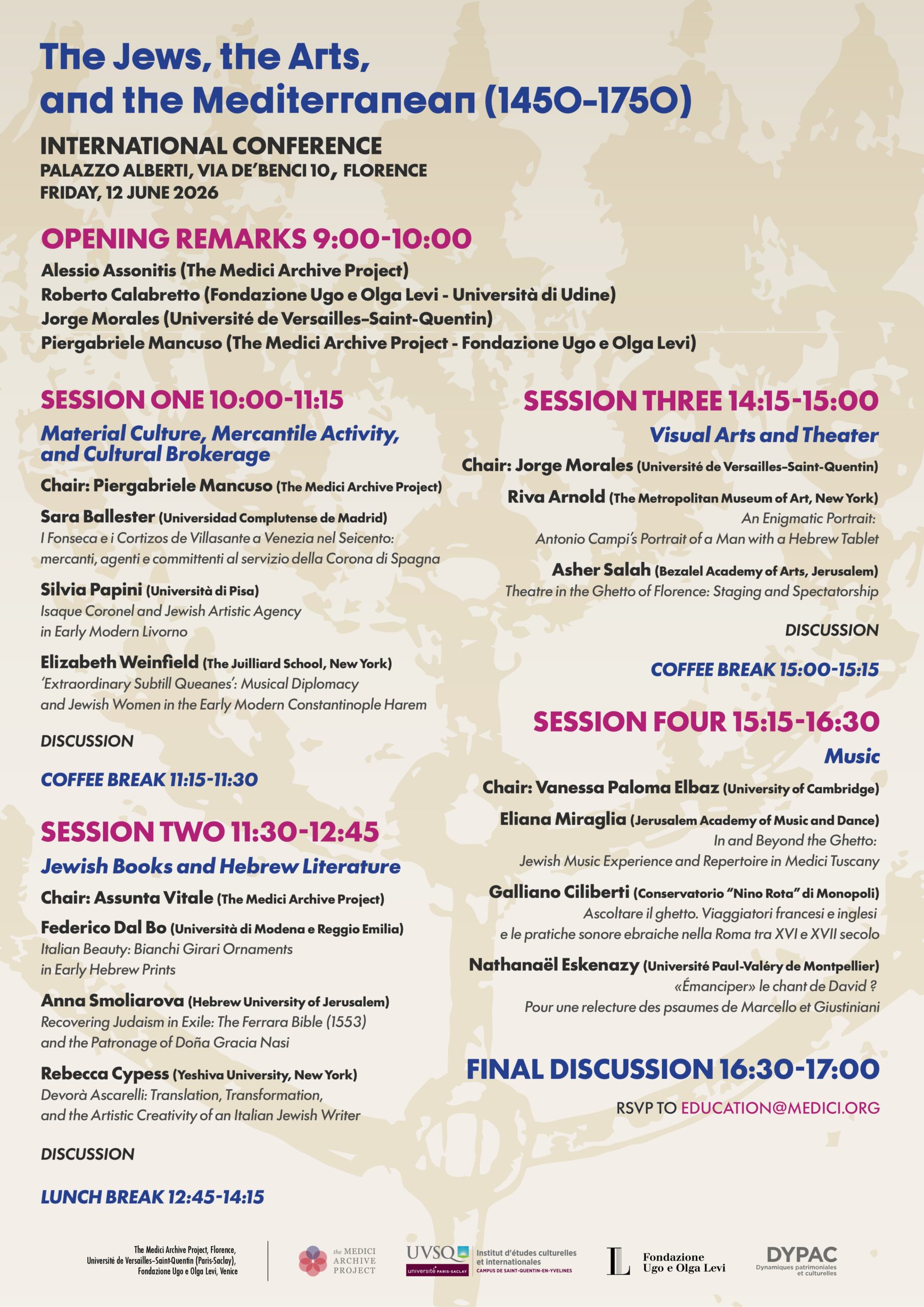
This program involved dozens of scholars working across diverse fields—a multidisciplinary group comprising economic historians, architects, architectural historians, specialists in early modern history and Jewish history, Hebraists, and paleographers. Together, we organized conferences, lecture series (especially with the Temple Emenu’El/Stricker Center in New York), workshops (in collaboration with Tel-Aviv University and Università degli Studi di Firenze), and conferences—most recently, in collaboration with the Fondazione Ugo e Olga Levi of Venezia and the University of Versailles-Saint Quentin/Institut d’études culturelles et internationales, a conference on “The Jews, the Arts, and the Mediterranean (1450-1750)“, 12 June 2026, addressing the role of the arts in Jewish emancipation.
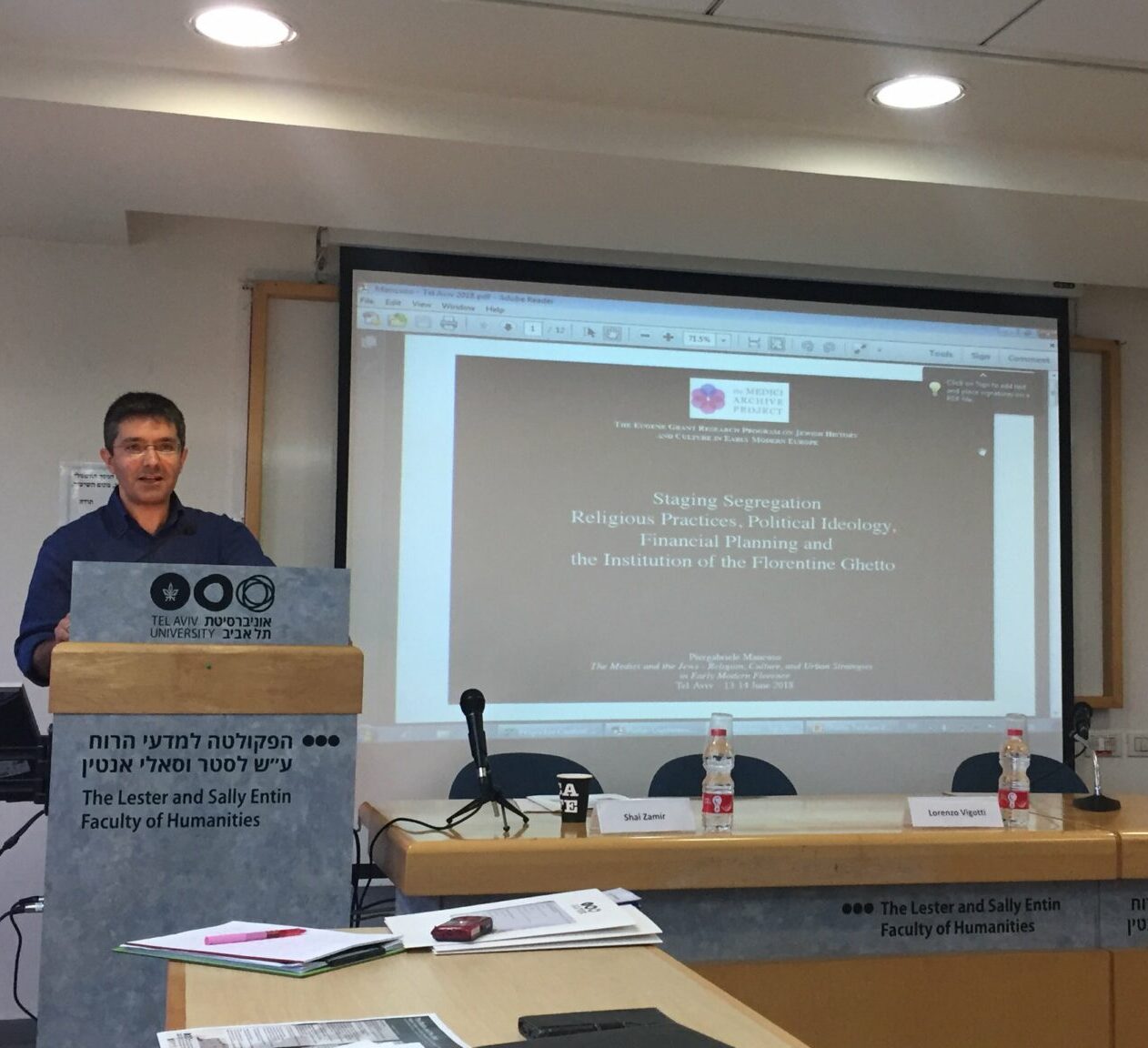
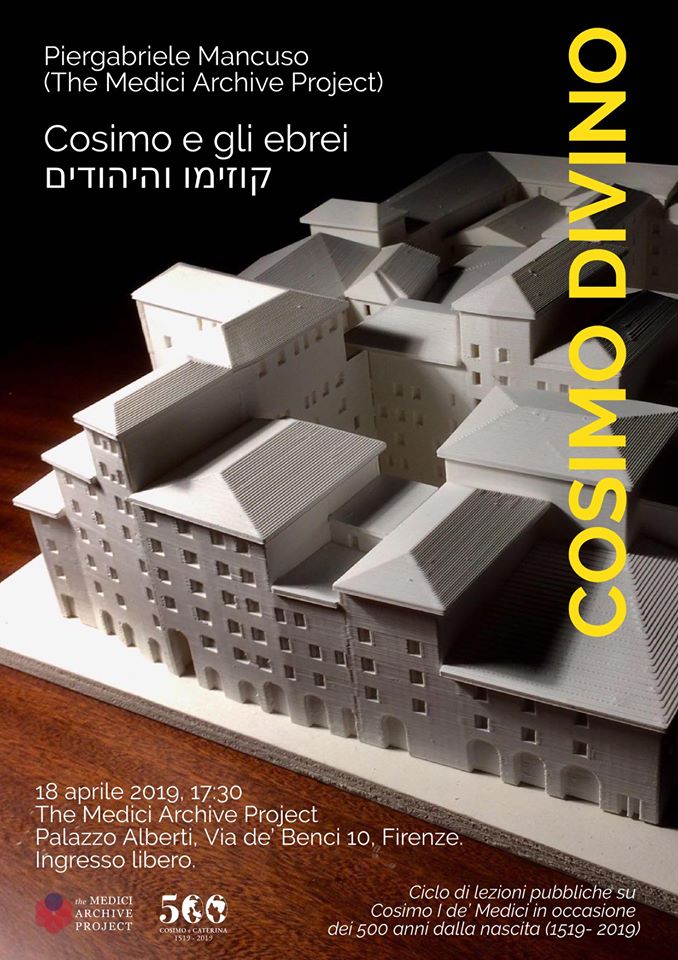
This work on the Florentine ghetto accumulated vast quantities of data that culminated in the exhibition “The Jews, the Medici, and the Ghetto of Florence – History, Identity, Culture, and Segregation” at the Gallerie degli Uffizi, Palazzo Pitti (October 2023–January 2024). Consistent with the principles guiding MAP’s longstanding work—prioritizing the original document, read and analyzed critically, as the foundation for understanding historical events—our program has always regarded knowledge of original sources as the true distinguishing factor between research and commentary. These sources frequently suggest—and often compel—us to abandon old historical assumptions and formulate new interpretations. Our work has certainly contributed to deeper understanding of the relationships between the Jewish minority and the majority society, demonstrating that the ghetto—that of Florence and ghettos as a typology of segregation zones generally—is best understood by examining even the most minute, seemingly insignificant details. This approach has revealed unexpected figures, notably Jona Ostiglio, the first Jew in Italian art history, as well as previously undetected Jewish-Christian social trends.
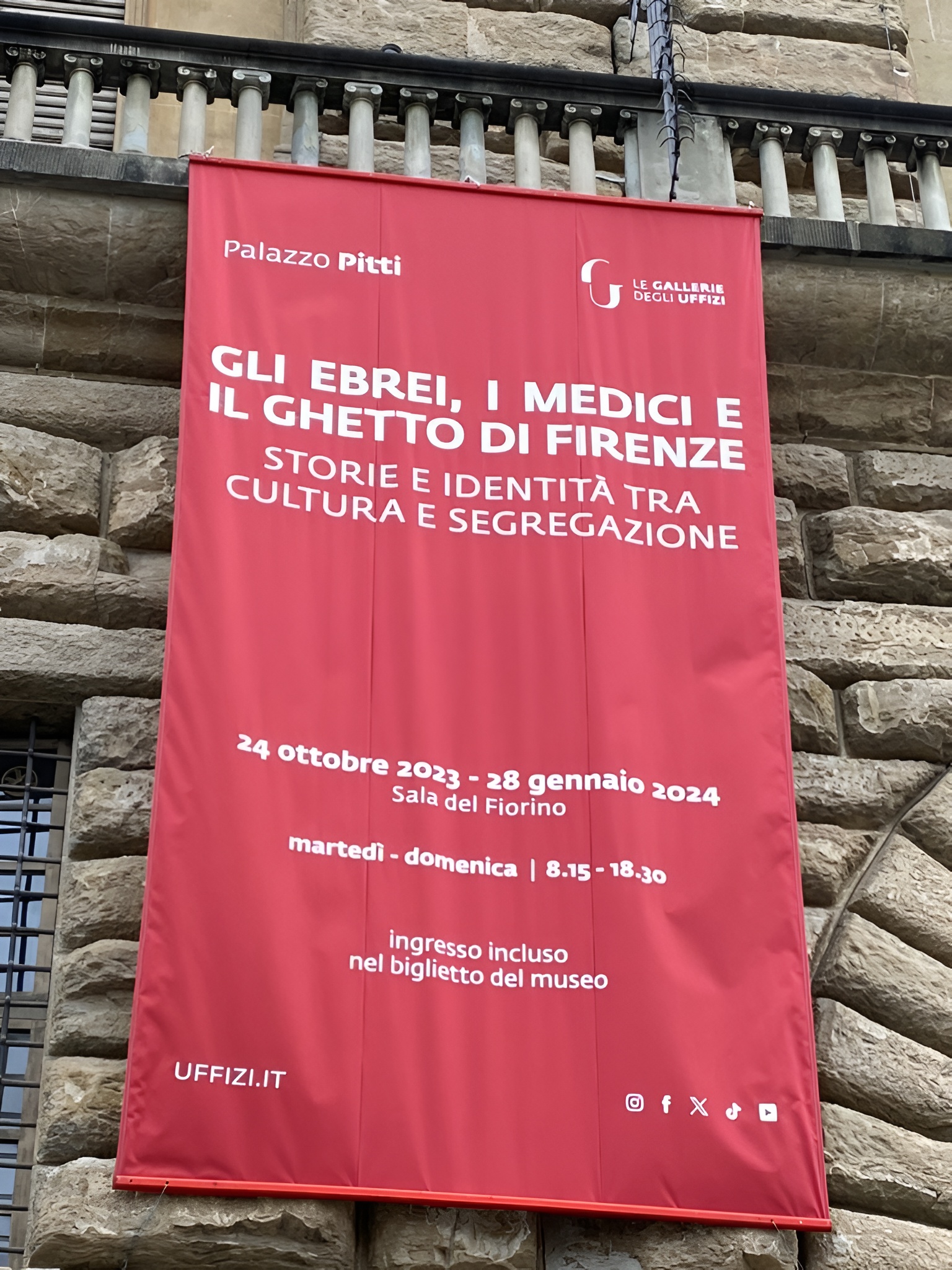


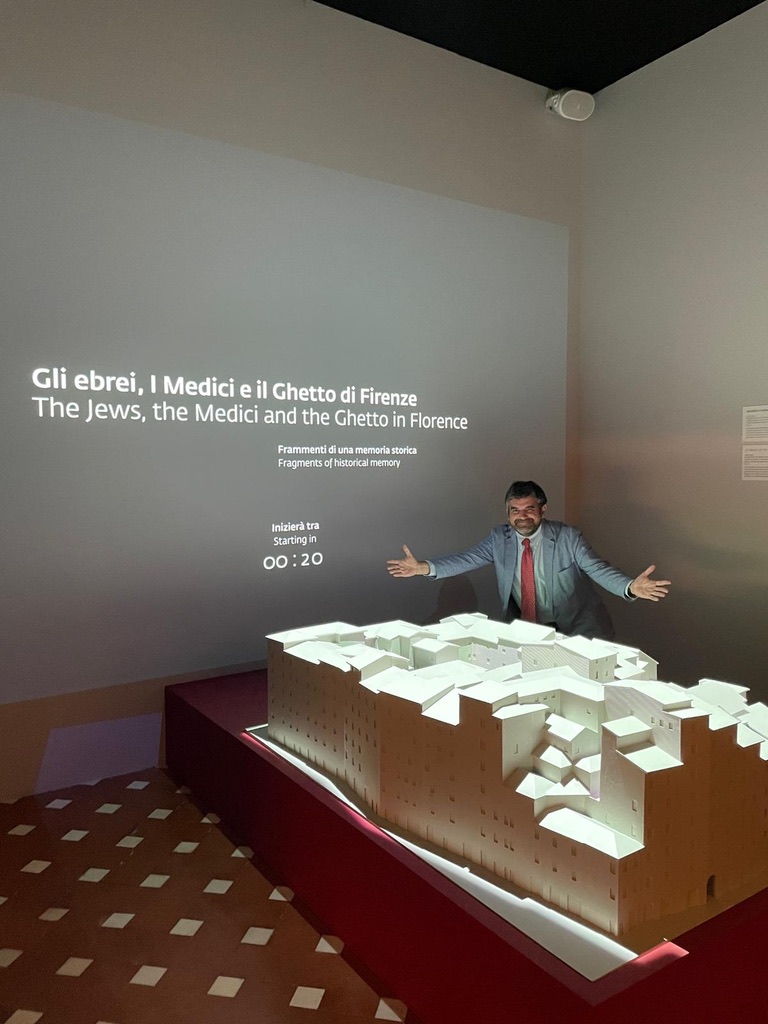

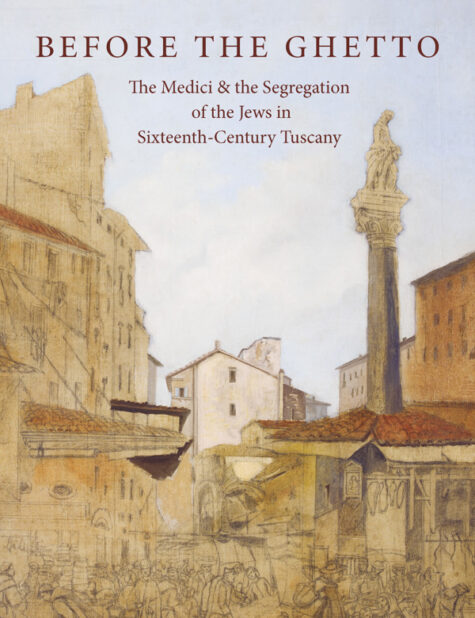
Following the exhibition recounting the Florence ghetto’s founding and development through its destruction in the late nineteenth century, our narrative now moves ideally backward with a volume that describes in detail, through systematic analysis of original sources, the genesis of the segregation process that culminated in increasingly restrictive measures against Jews residing in Tuscany and, ultimately, the creation of the ghetto. Our new book Before the Ghetto – The Medici and the Segregation of the Jews in Sixteenth-Century Tuscany (Turnhout: Brepols, 2026) identifies the circumstances—both within the Medici state and in relation to the international situation—that convinced the Medici, specifically Cosimo I, to abandon their political tradition of tolerance toward Jews and adopt anti-Jewish legislation perfectly aligned with the requirements and dictates of the Roman Curia during its intense struggle against the Reformation and various forms of heterodoxy.
CURRENT RESEARCH
Based on the rich body of demographic and economic data collected during our ghetto research and materials gathered over the past two years through further review of archival sources (including those produced within the ghetto itself by Jewish authorities), we have established a new research program, the Demography Repository of Tuscan Jews (ca. 1450–1750), an online platform designed to consolidate all demographic, economic, and social data concerning Jews residing in the Medici state. Utilizing textual investigation techniques offered by artificial intelligence, we will be able to reconstruct genealogical relationships, economic and social trends, and examine Jewish presence and its variations across a broad chronological spectrum, from the first half of the fifteenth century through the end of Medici rule.