
Director

Director
Recent scholarship has refined our understanding of early modern medicine. With the material and practice-oriented turn in the history of medicine, scholarly focus has gradually shifted from theoretical frameworks to grounded healthcare practices, highlighting the roles of practitioners, patients, institutions, and the circulation of medical knowledge. Building on this approach, The Craft of Health investigates the institutions, actors, and practices that shaped public and private healthcare in late medieval and early modern Tuscany, placing them within a broader Italian and increasingly global context. Based on the Medici Archive Project’s pioneering work on the Mediceo del Principato, this program expands archival research by drawing on a rich, and largely untapped diversity of medical records housed in the Archivio di Stato di Firenze, hospital archives, and manuscript collections in Florentine libraries. Each theme of the program is designed to open new directions in the social history of medicine and advance new methodologies, including digital humanities and AI-assisted research. As an interdisciplinary research cluster, The Craft of Health welcomes international scholars from a wide range of disciplines, including the history of medicine, early modern history, the history of science, philology, book history, art history, legal and economic history, botany, pharmacology, and related fields.
THEMES
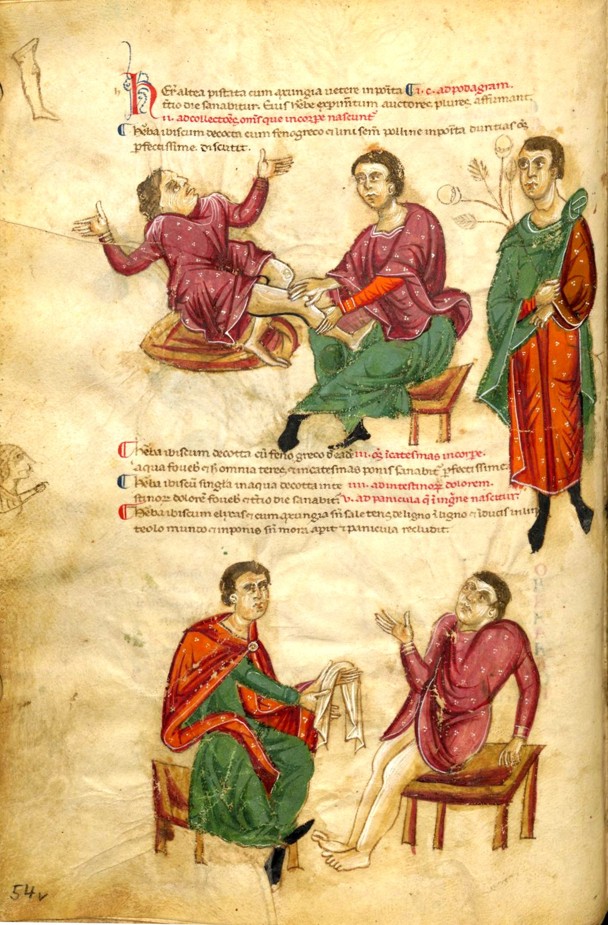
- The Medici Grand Duchy and the Institutional Framework of Public Health: epidemics, hospitals, charitable institutions, and healthcare across the social spectrum.
- The Diversity of Medical Practitioners and Healers: licensed physicians, barber-surgeons, apothecaries, empirics, women healers, itinerant and migrant practitioners, and other medical entrepreneurs.
- Medicine and Allied Disciplines: botany and materia medica, astrology, alchemy, magic, and other systems of knowledge that shaped medical theory and practice.
- The Recording and Circulation of Medical Knowledge: account books, printed and manuscript medical literature, recipe collections, handbooks, manuals, diaries, correspondence, and other documentary forms.
- The Geography of Health: rural and urban environments, public and private spaces, and local and global networks of medical knowledge, materials, and practices.
FEATURED OUTPUTS
John Henderson, Florence Under Siege. Surviving Plague in an Early Modern City. Yale University Press. 2019.
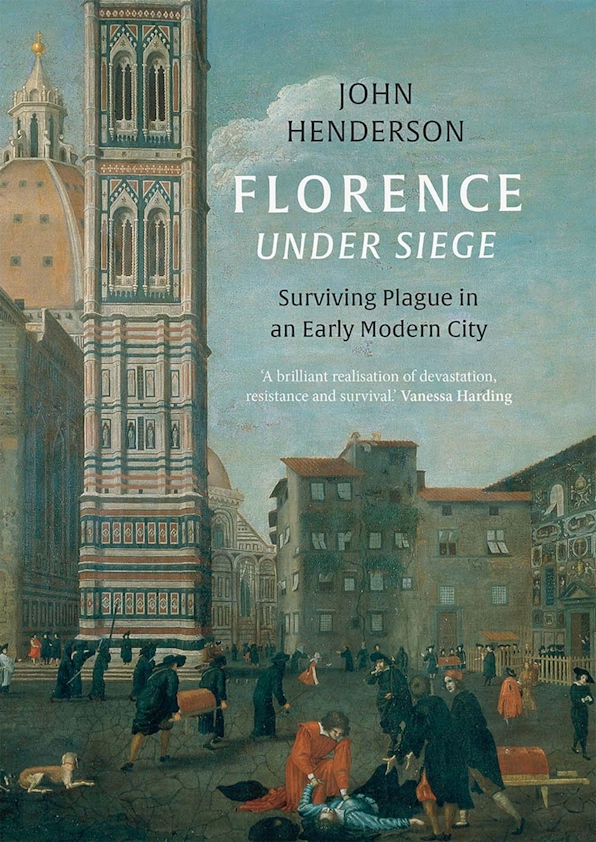
A vivid recreation of how the governors and governed of early seventeenth-century Florence confronted, suffered, and survived a major epidemic of plague. Plague remains the paradigm against which reactions to many epidemics are often judged. Here, John Henderson examines how a major city fought, suffered, and survived the impact of plague. Going beyond traditional oppositions between rich and poor, this book provides a nuanced and more compassionate interpretation of government policies in practice, by recreating the very human reactions and survival strategies of families and individuals. From the evocation of the overcrowded conditions in isolation hospitals to the splendor of religious processions, Henderson analyzes Florentine reactions within a wider European context to assess the effect of state policies on the city, street, and family. Writing in a vivid and approachable way, this book unearths the forgotten stories of doctors and administrators struggling to cope with the sick and dying, and of those who were left bereft and confused by the sudden loss of relatives.
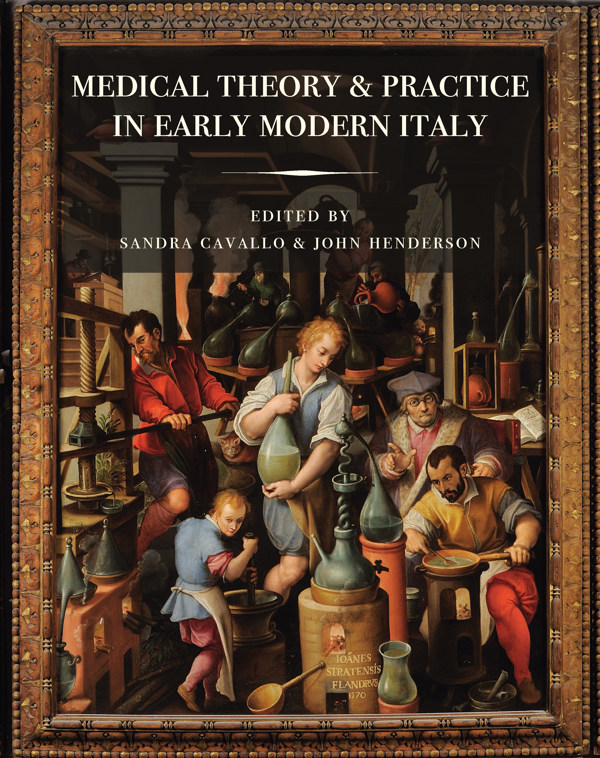
Sandra Cavallo and John Henderson (eds.), Medical Theory and Practice in Early Modern Italy. The Medici Archive Project Series. Turnhout: Brepols, 2025.
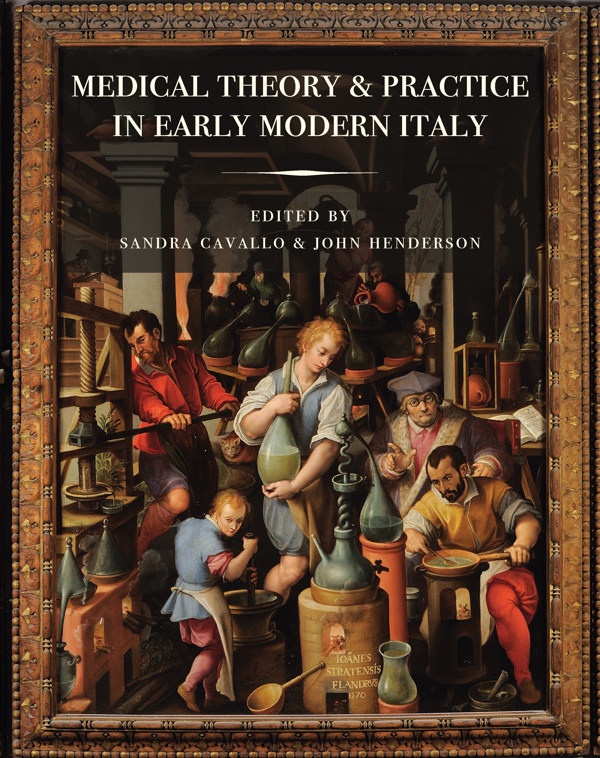
This landmark volume brings together leading scholars to reassess the relationship between medical theory and practice in early modern Italy. Challenging the traditional divide between learned medicine and everyday practice, the essays explore the dynamic interactions between physicians, patients, hospitals, pharmacies, and institutions, while examining the roles of empiricism, commerce, politics, and religion in shaping medical knowledge and healthcare. The volume has been praised as a major contribution to the field. As Stefano Tomassetti noted in a recent review, it is “destined to become an essential point of reference for scholars of the history of medicine in Italy and Europe,” demonstrating the value of studying the interplay between theory and practice to achieve a richer understanding of early modern medicine.
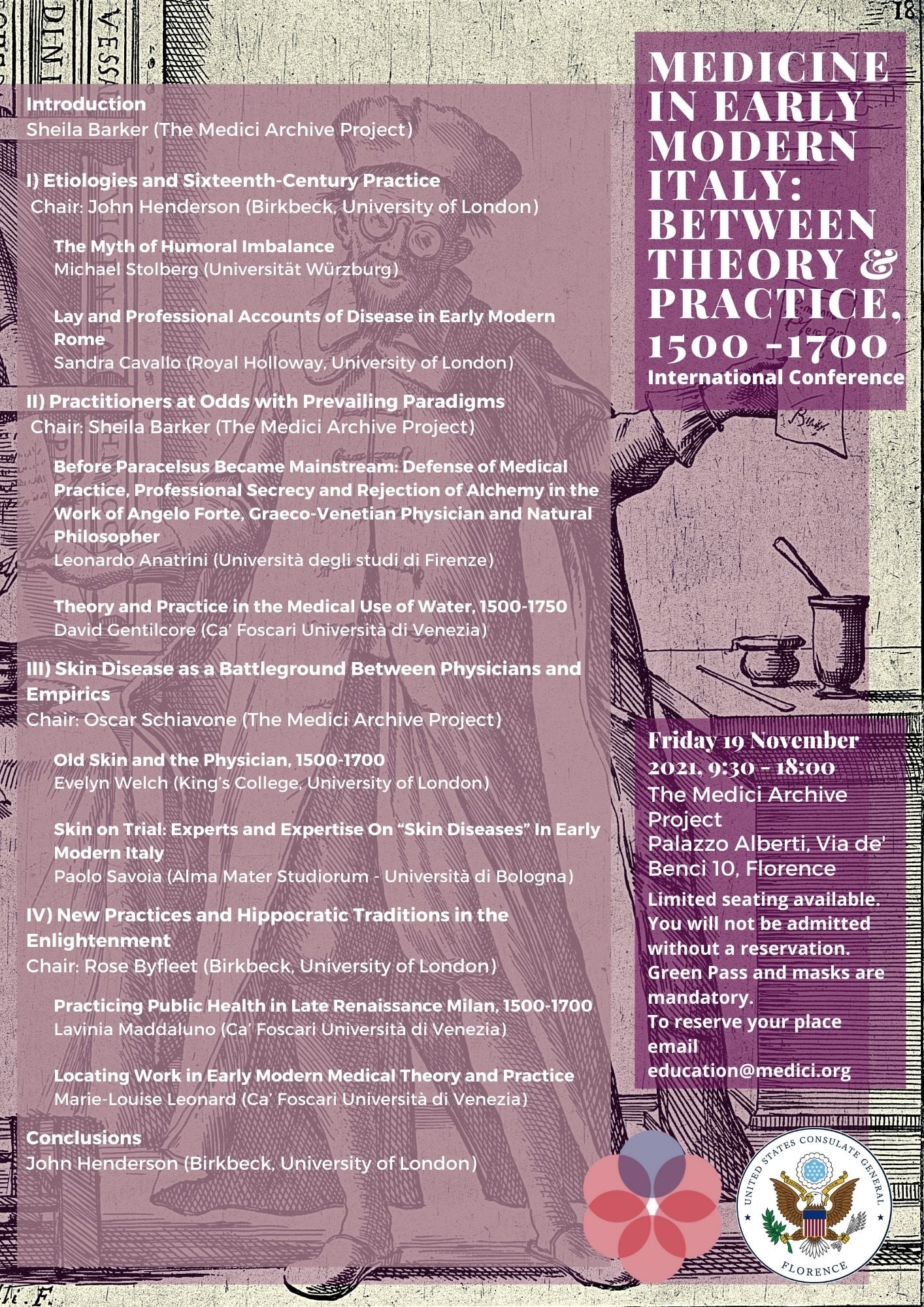
Medicine in Early Modern Italy: Between Theory and Practice, 1500–1700, Florence, 19 November 2021
International conference exploring new perspectives on medical knowledge, practice, and healthcare in Renaissance and early modern Italy.
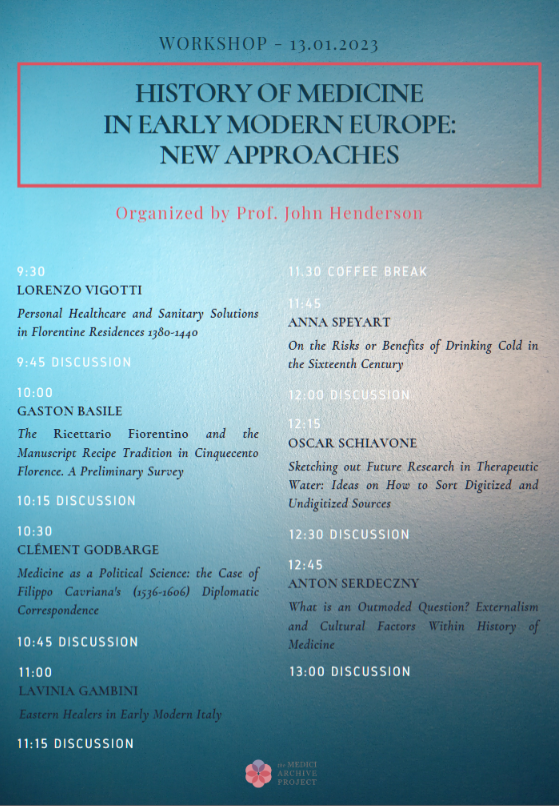
History of Medicine in Early Modern Europe: New Approaches, Florence, 13 January 2023
Organised by Professor John Henderson.
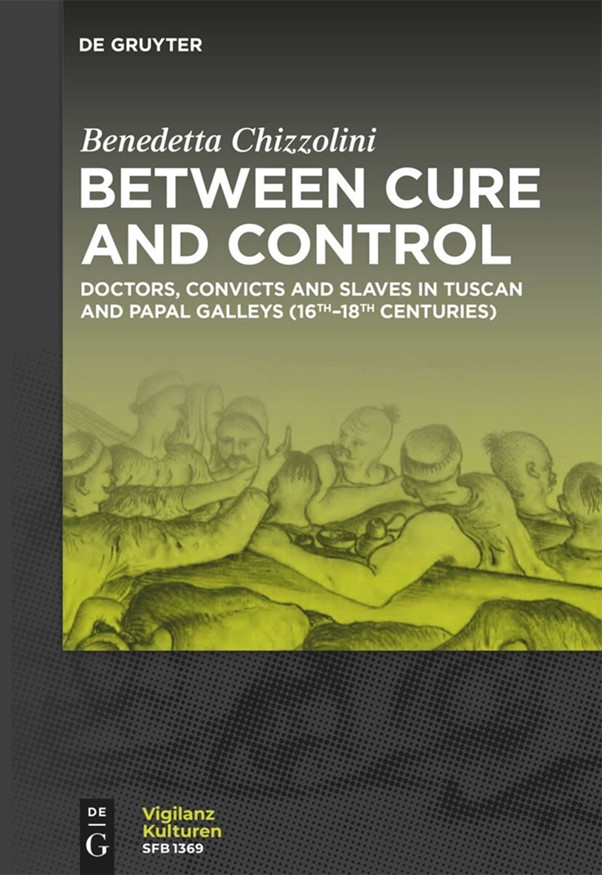
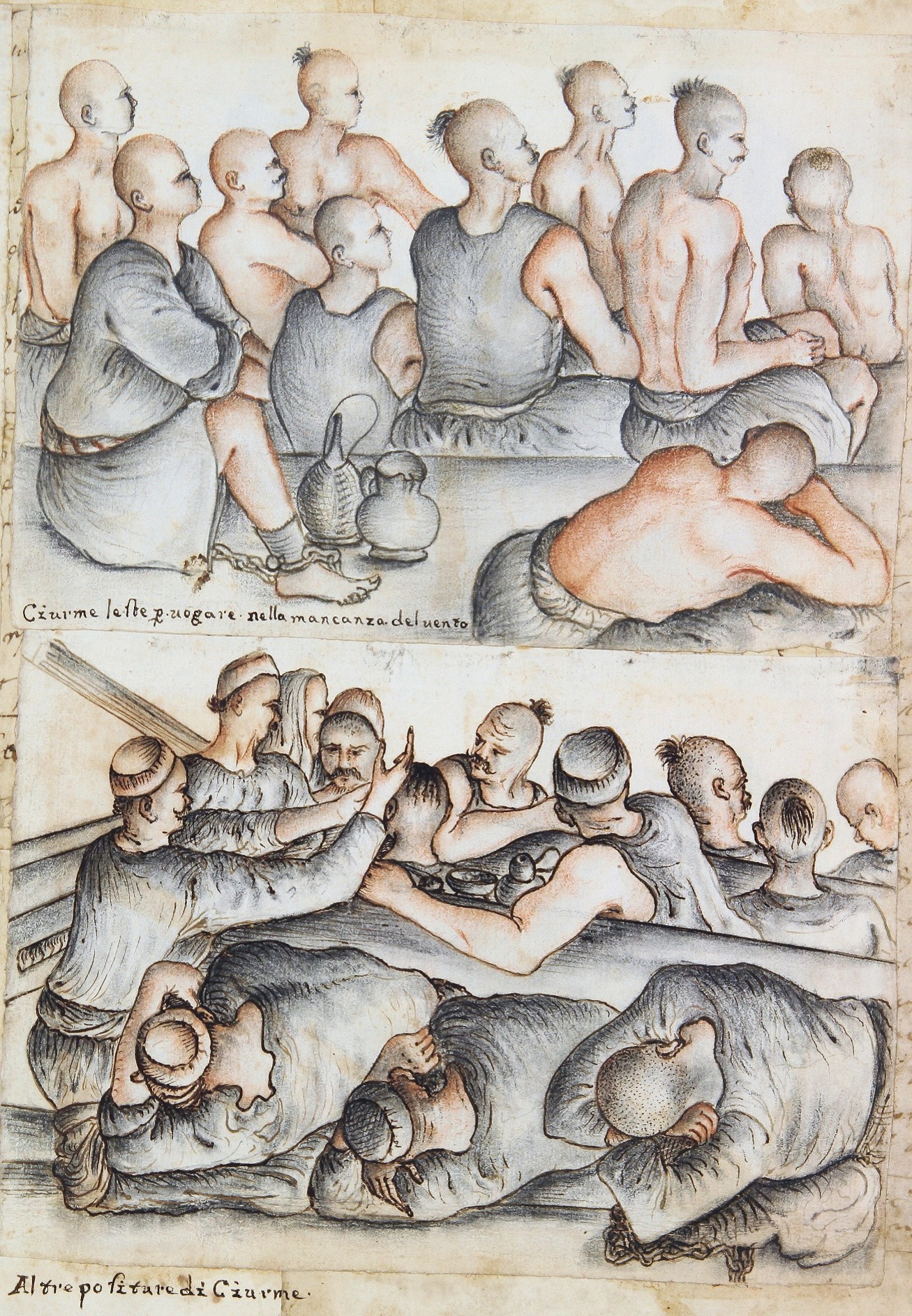
Benedetta Chizzolini, Between Cure and Control: Doctors, Convicts and Slaves in Tuscan and Papal Galleys (16th–18th Centuries)
Florence, 29 January 2026
This presentation examined the concept of “medical vigilance” through the experiences of galley physicians, exploring the tensions between care, discipline, and authority in early modern penal medicine. Discussants included Giulia Bonazza (University of Bologna), Maria Conforti (Sapienza University of Rome), and Giovanni Tarantino (University of Florence).
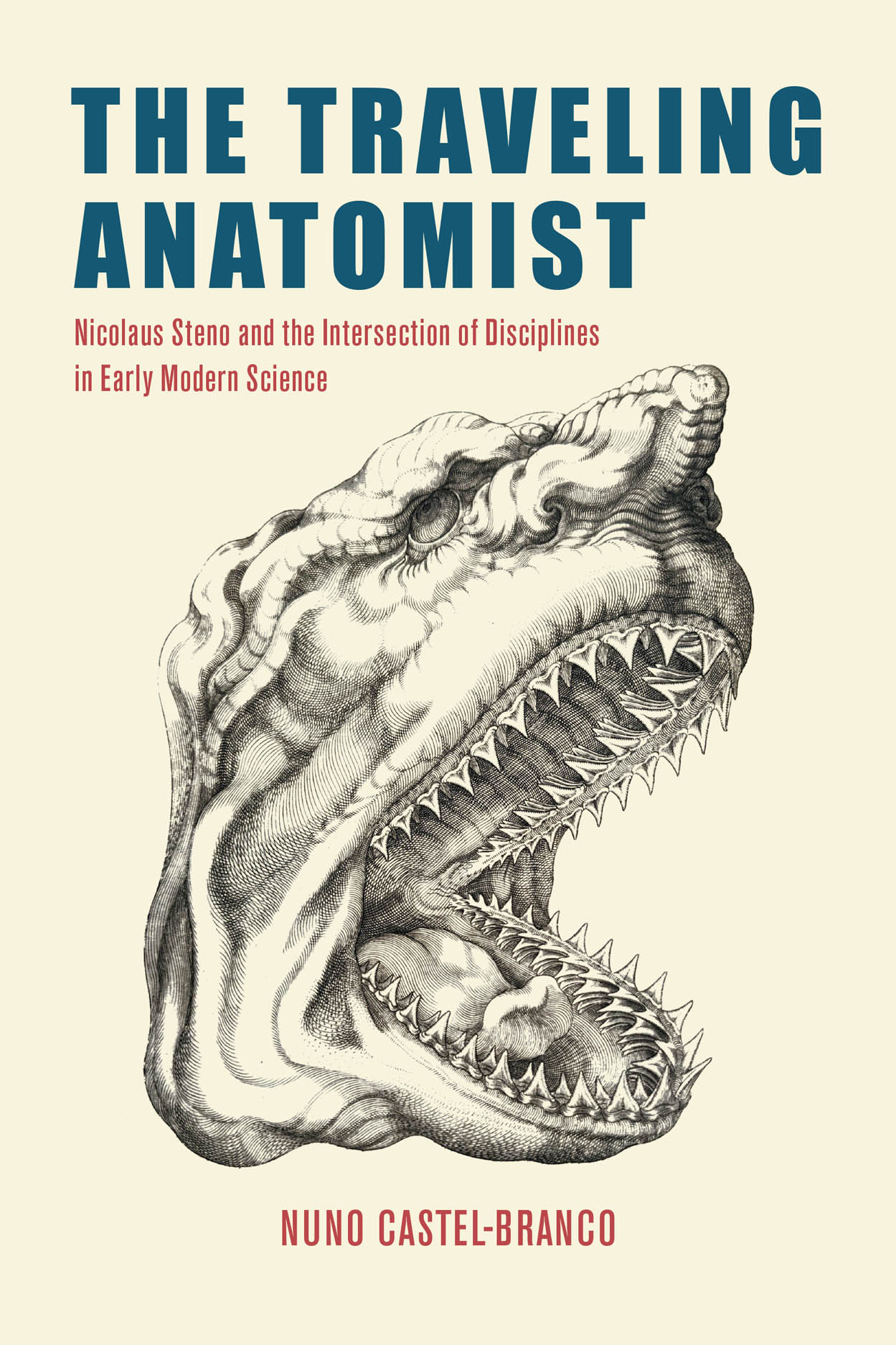
Nuno Castel-Branco, The Traveling Anatomist: Nicolaus Steno and the Intersection of Disciplines in Early Modern Science
Florence, 14 April 2026
A discussion of Steno’s contributions to anatomy and the history of science, highlighting the interdisciplinary character of early modern scientific inquiry. Chaired by Gaston Basile, with Stefano Dominici (Museum of Natural History, University of Florence) and Abram Kaplan (Villa I Tatti, Harvard University; St. John’s College).
Medical Theory and Practice in Early Modern Italy
Florence, 12 May 2026
Chair: Giulia Calvi (University of Siena). Speakers included Monica Azzolini (University of Bologna), Gianna Pomata (Johns Hopkins University), editor Sandra Cavallo, and contributors Gaston J. Basile, Sabrina Minuzzi, Alessandra Quaranta, and Sharon Strocchia.
RESEARCH OUTPUTS AND ACTIVITIES OF THE ACTING DIRECTOR
- Monograph: Reshaping Nature: Humanist Scientific Translations in the Late Italian Quattrocento. I Tatti Studies in Italian Renaissance History. Harvard University Press.
- “Humanist Latin Translations and Medical Terminology: The Case of Urinarius.” In Forme linguistiche, letterarie e culturali dell’anatomia dalla prima età moderna alla contemporaneità, edited by Linda Bisello and Raffaella Scarpa. Milan: Mimesis Edizioni, 2026.
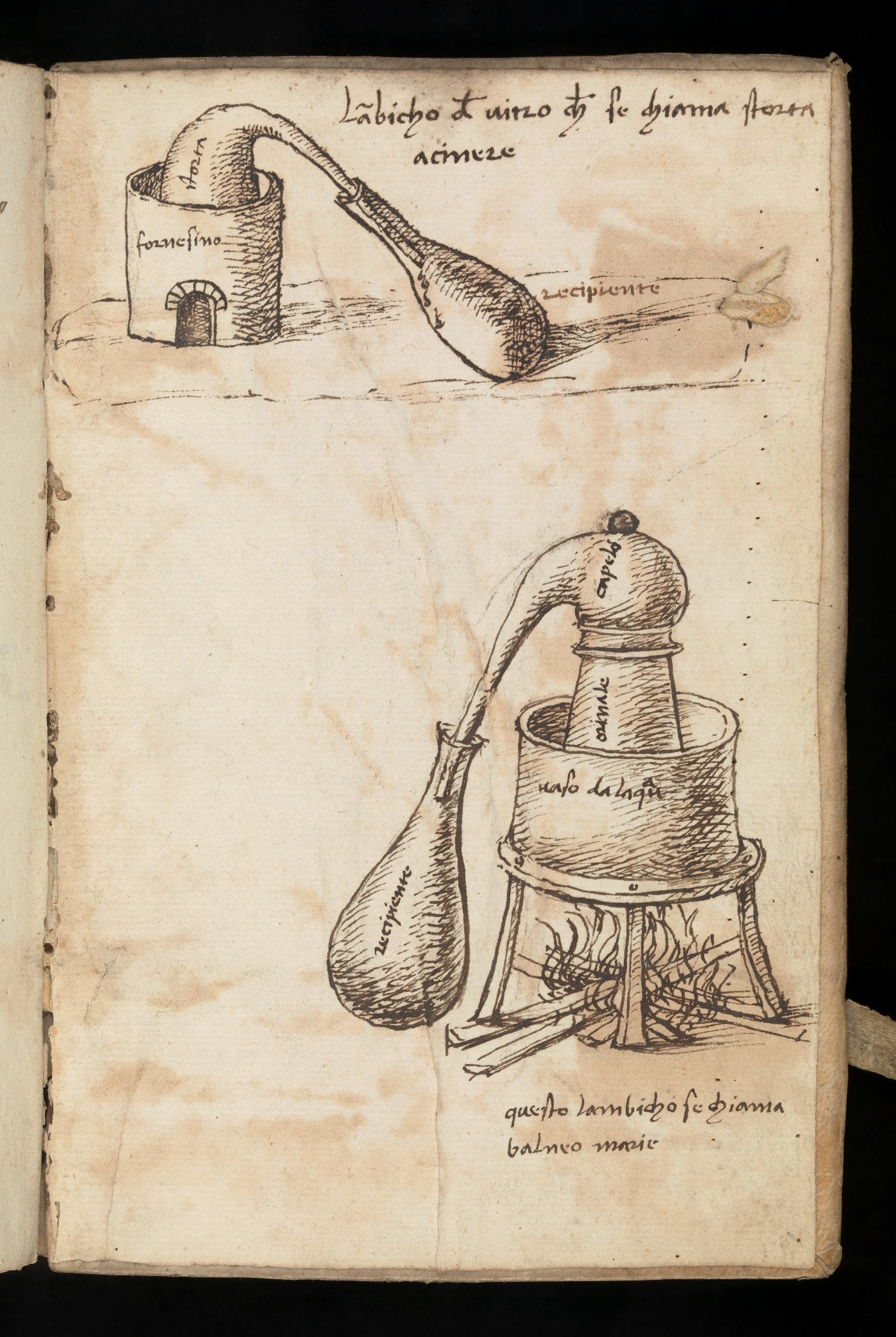
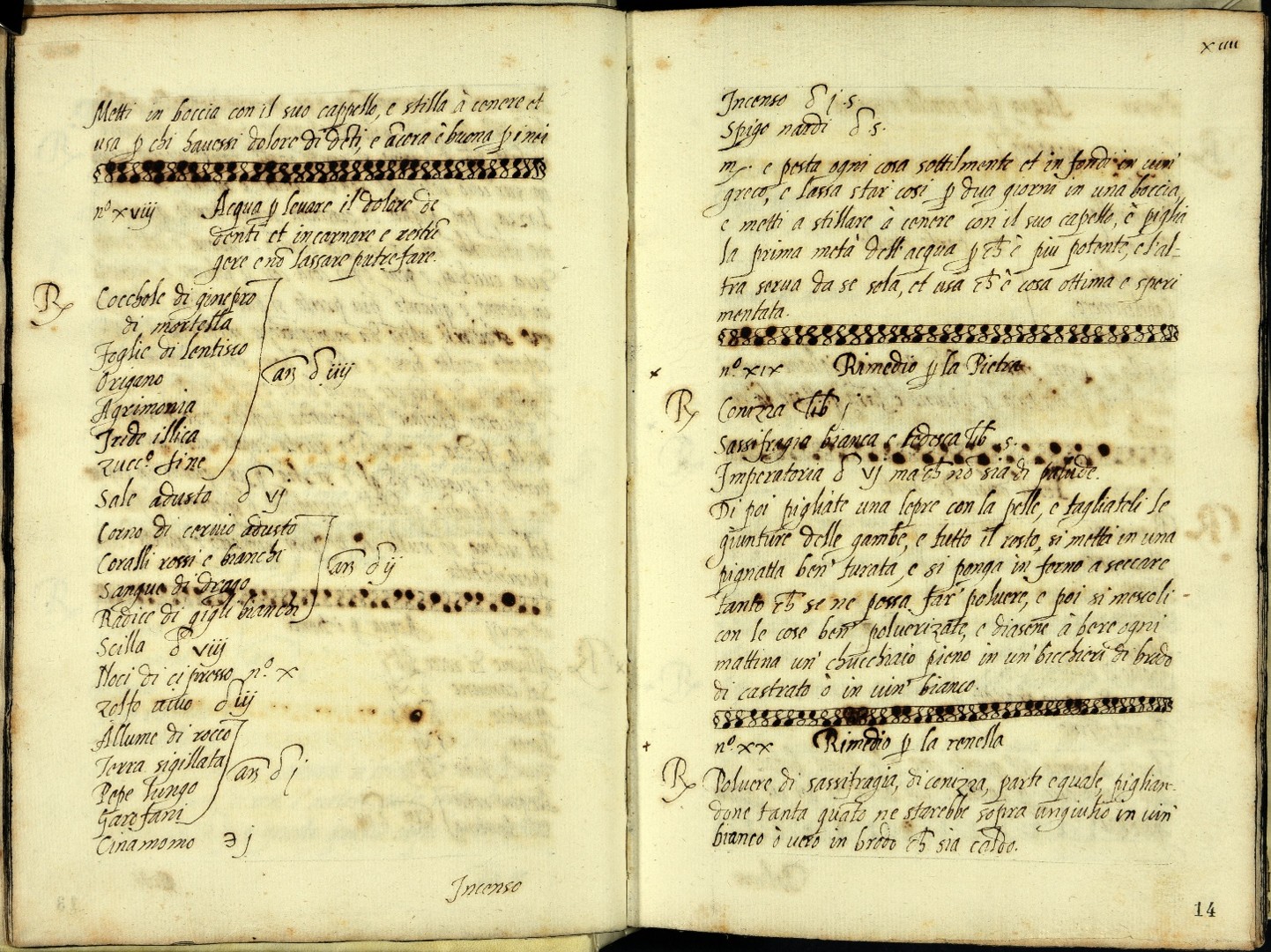
- “Recording Medical Recipes: Surgeons and Barbers in Sixteenth-Century Italy.” Galileana. Special Issue, Knowledge in Use: Practices and Practitioners in the Renaissance and Early Modern Period (14th–17th Centuries), edited by Francesco Brusori and Raffaele Danna, 2026.
- “Recording Remedies: Indexing and Classification as Epistemic Practices in Italian Recipe Manuscripts (c. 1400–1600).” I Tatti Studies 28.2 (2025): 113–144.
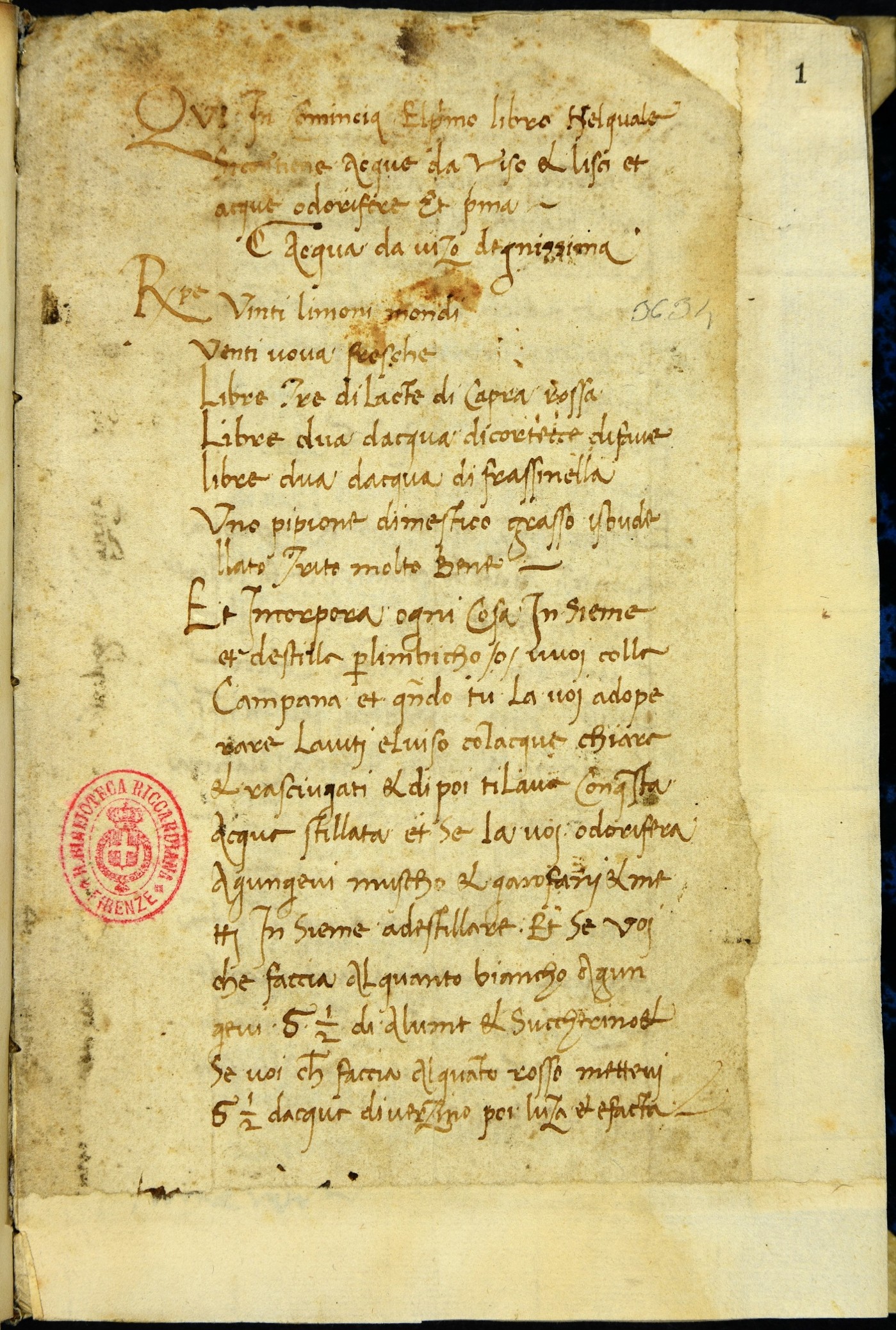
- “Medicinal and Cosmetic Waters: Vernacular Experimentation in the Florentine Ricettari.” In Medical Theory and Practice in Early Modern Italy, edited by Sandra Cavallo and John Henderson. The Medici Archive Project Series. Turnhout: Brepols, 2025.
- “Dragon’s Blood or the Red Delusion: Textual Tradition, Craftsmanship, and Discovery in the Early Modern Period.” Renaissance Quarterly 76 (2023): 1223–1271. Recipient of the William Nelson Prize for the best article published in Renaissance Quarterly in 2023.