
Thanks to a generous grant from the Colgan Foundation, the Medici Archive Project has harnessed HTR technologies to give greater access to Cristofano Bronzini’s treatise, On the Dignity and Nobility of Women, an incomparable resource for recovering the history of women’s contributions to civilization, and for understanding the role of civic discourse in social change during the early modern period. Comprising 36 tomes, it was written in Florence and largely complete by the year 1622.
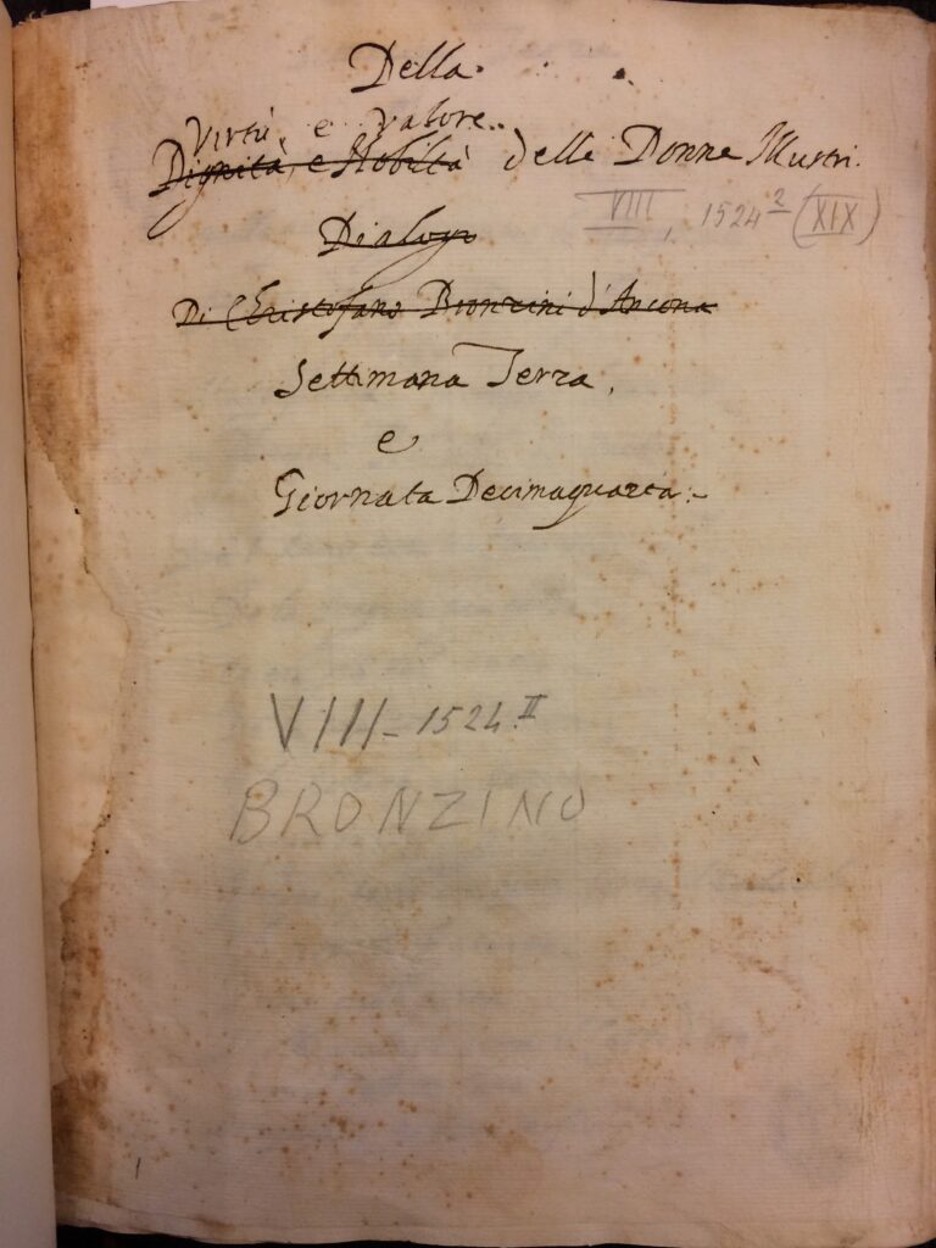
Bronzini’s titanic manuscript has been in the vault of the Biblioteca Nazionale Centrale in Florence ever since the dispersion of the palace library of the Medici grand dukes, yet it was not recorded in any catalog until the 1980s. The aim of this treatise is to argue for women’s capacity to take part in the governing of the Tuscan Grand Duchy, at that time under Medici rule. It does so by mustering legends, histories, and first-hand accounts of thousands of female exemplars of nearly every virtue and every intellectual field, with coverage from Antiquity to the writer’s own era that embraces all known parts of the inhabited world.
As a treatise dedicated to elevating women’s status in society, Bronzini’s On the Dignity and Nobility of Women can be connected with the so-called Querelle des Femmes (or, The Woman Question), a literary debate that transpired over centuries and that included such landmark texts as Boccaccio’s On Famous Women (1360), Christine de Pizan’s The Book of the City of Ladies (1405), and Moderata Fonte’s On the Worth of Women (1600). Interrogating the inborn nature of women and their place in society, the debate centered on such heated questions as whether girls and women should be educated, whether women could govern effectively, and whether women had ever made worthy contributions to society.
Cristofano Bronzini’s On the Dignity and Nobility of Women is the largest and most ambitiously encyclopedic text to have ever been written in the Querelle des Femmes tradition in any language, up to and including the present day. It is also the first pro-woman treatise to have been censored by the Congregation of the Index, due to its controversial suggestion that in the Bible, women are held to be more fit than men to head governments. The value of Bronzini’s manuscript for recuperating the history of women is of the first order. Particularly valuable are the treatise’s early ethnographic notices from around the world, including Egypt, China, Greece, Bavaria, Siberia, Hungary, Spain, Persia, Burgundy, Troglodyte Arabia, Picardy, Bosnia, Jutland, Malta, Portugal, the Himalayas, Central America, Zimbabwe, Lithuania, Poland, Caucasus, Bulgaria, Jordan, and Nubia (Sudan). It additionally holds a bounty of information regarding the Medici court and its connections to courts throughout Europe through its female members. The treatise also offers insights into the Roman Catholic Church’s position on women’s role in both secular society and religious institutions, and on the topic of women’s education.
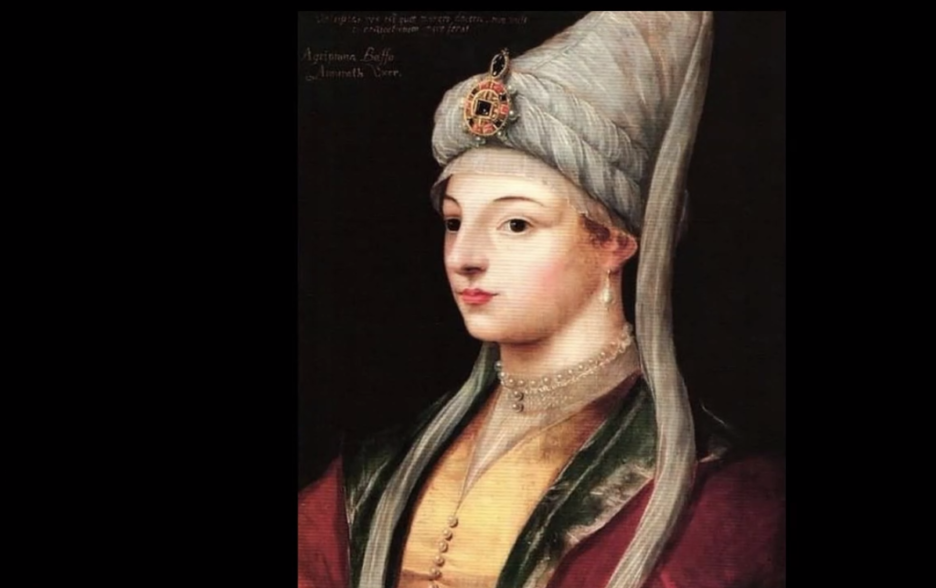
Modern scholars have largely confined their studies of Bronzini’s handwritten treatise to tome 2 of volume 1525. This tome contains biographical information on 64 female musicians and composers, including the 17th-century composer Francesca Caccini, whom Bronzini knew in person. This same tome additionally provides profiles for 40 female painters, sculptors, and embroiderers, including the earliest known biographies for both Giovanna Garzoni and Artemisia Gentileschi. Most of them are Italian, although three are Spanish (María de Jesús Torres, Isabella Sánchez Coello, and Francisca de Jesús) and one is French (Margeurite Bahuche). Treated collectively, the women artists of Ming China also receive Bronzini’s praise. As in the case of Caccini, Bronzini was personally acquainted with several of the artists, including Lavinia Fontana, Arcangela Paladini, Artemisia Gentileschi, and Giovanna Garzoni. He had seen for himself the artworks of several others: Plautilla Nelli, Diana Scultori, and the previously mentioned Chinese women artists.
While the content of Cristofano Bronzini’s manuscript treatise Della Dignità e Nobiltà delle Donne, or On the Dignity and Nobility of Women, provides a wealth of information for the study of women in the early modern era, the manuscript pages themselves reveal much about the provenance of Bronzini’s work and its history in the city of Florence.
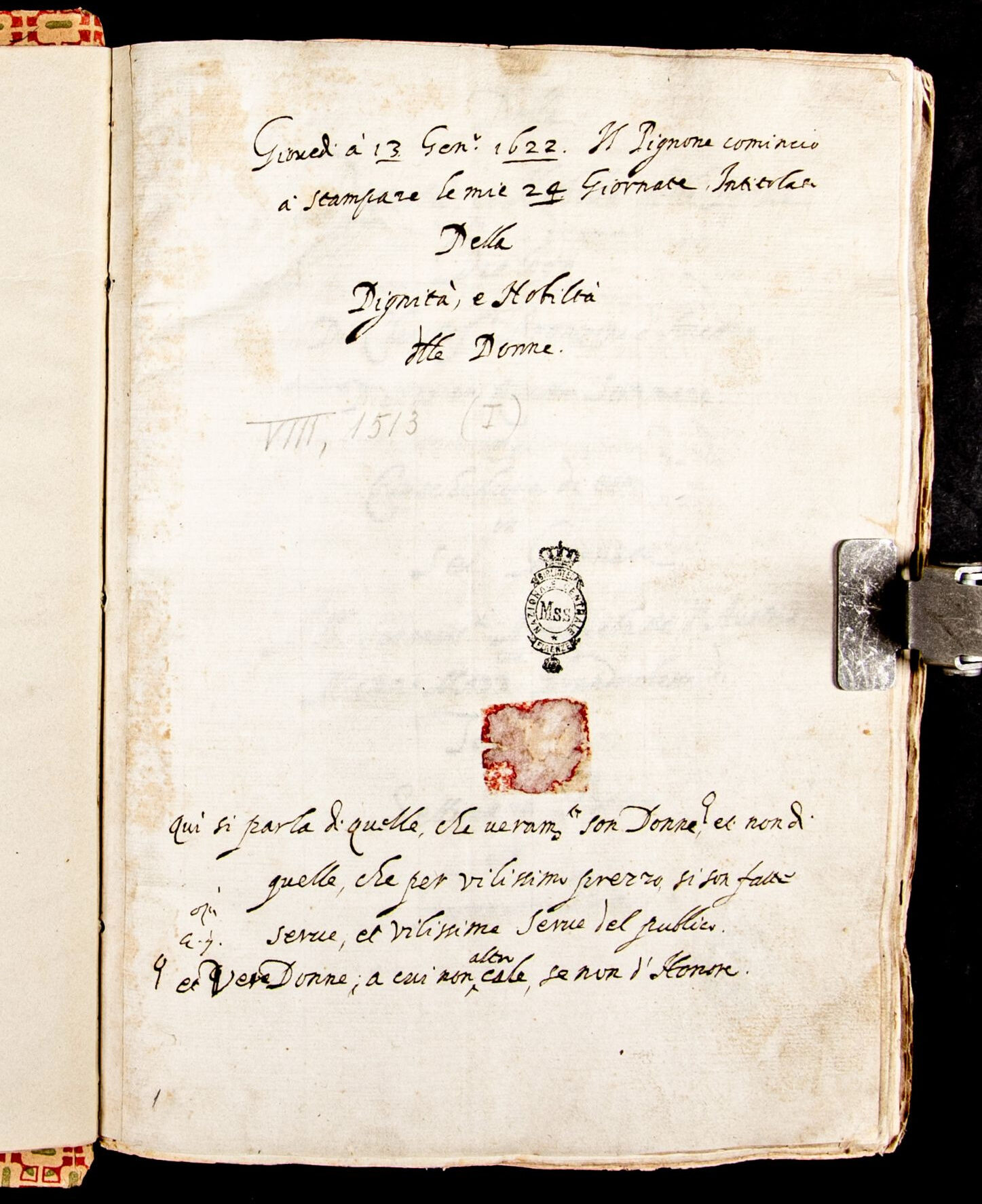
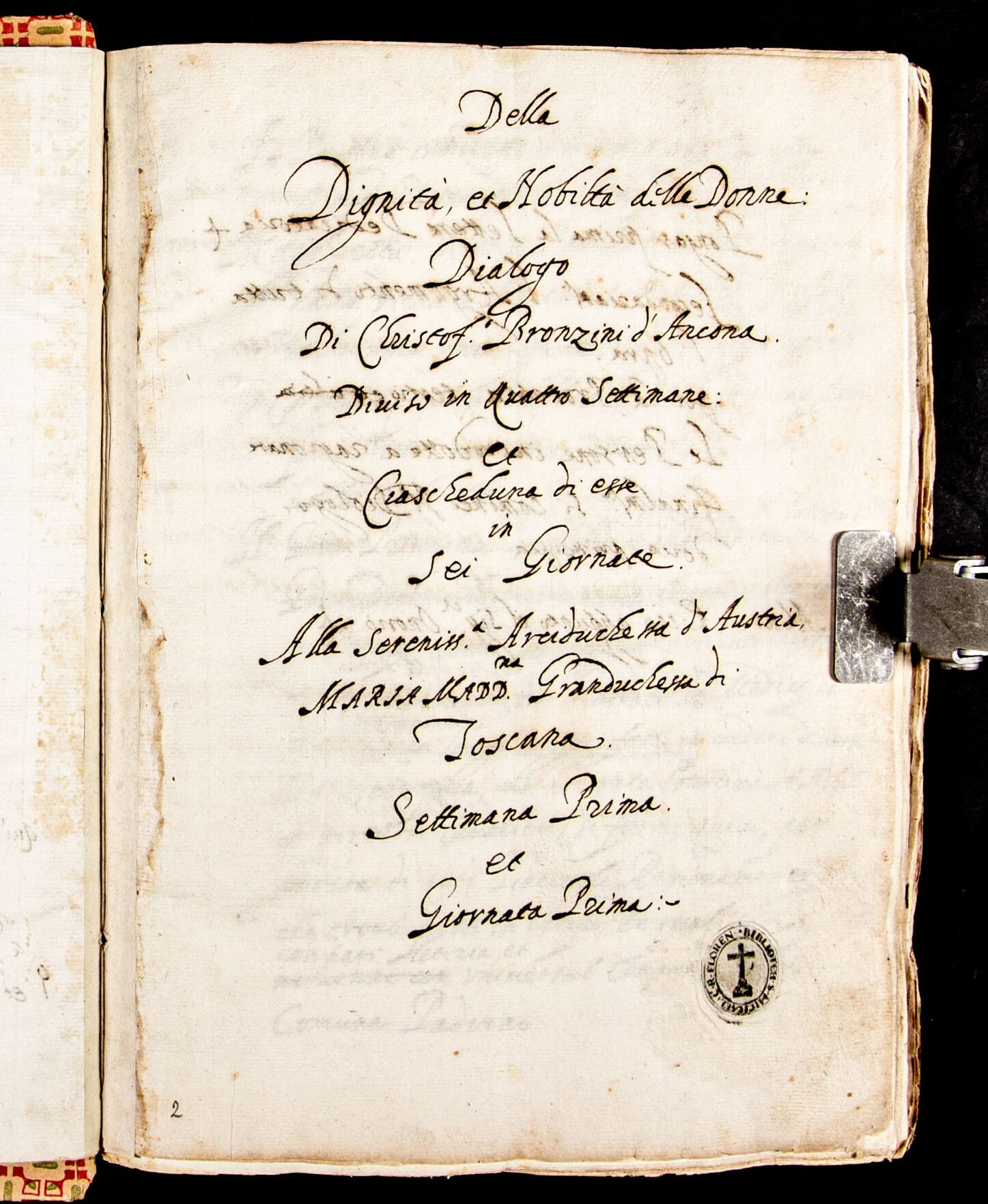
The opening pages of the manuscript’s first volume (Vol. 1513) contain two timbri di proprietà, or ownership stamps, that provide information about the text’s provenance. The first is an oval with the text BIBLIOTECA NAZIONALE CENTRALE FIRENZE (BNCF) on the banners and outer border, and MSS in the center. The BNCF received the designation “Nazionale Centrale” from the Italian government– at that time a constitutional monarchy under the House of Savoy. The crown on this stamp can be found in other timbri used by the BNCF from c.1861-1940 and likely refers to the Savoy family crest.
The second stamp, also oval, features a cross standing on a mound of smaller half-ovals at its center. This symbol, which refers to the Theatine Order, is encircled by the text “FLOREN. BIBLIOTECH. S. MICHEL. C.R.,” indicating the order’s Florentine location: the Chiesa dei Santi Michele e Gaetano, on Via de’ Tornabuoni in Florence. The Theatines, established in 1524, were formally known as Chierici Regolari Teatine (hence the C.R. in the stamp). The Medici family patronized Santi Michele e Gaetano throughout the sixteenth and seventeenth centuries. It is uncertain when Bronzini’s manuscript entered the convent’s library; however, it is notable that Bronzini served as the master of ceremonies for the church’s most illustrious patron, Cardinal Carlo de’Medici, who was known for his patronage of the court singer and composer Francesca Caccini.
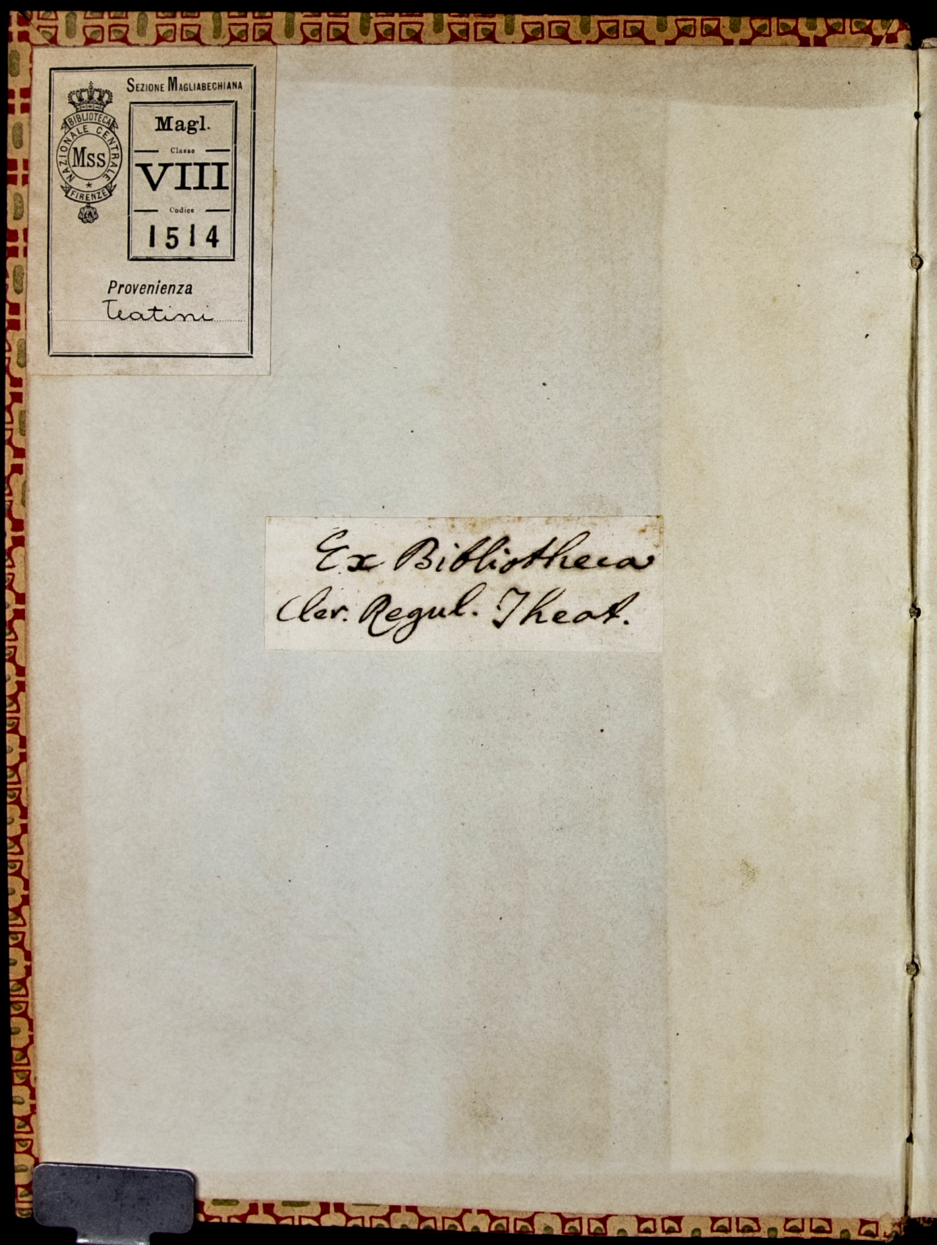
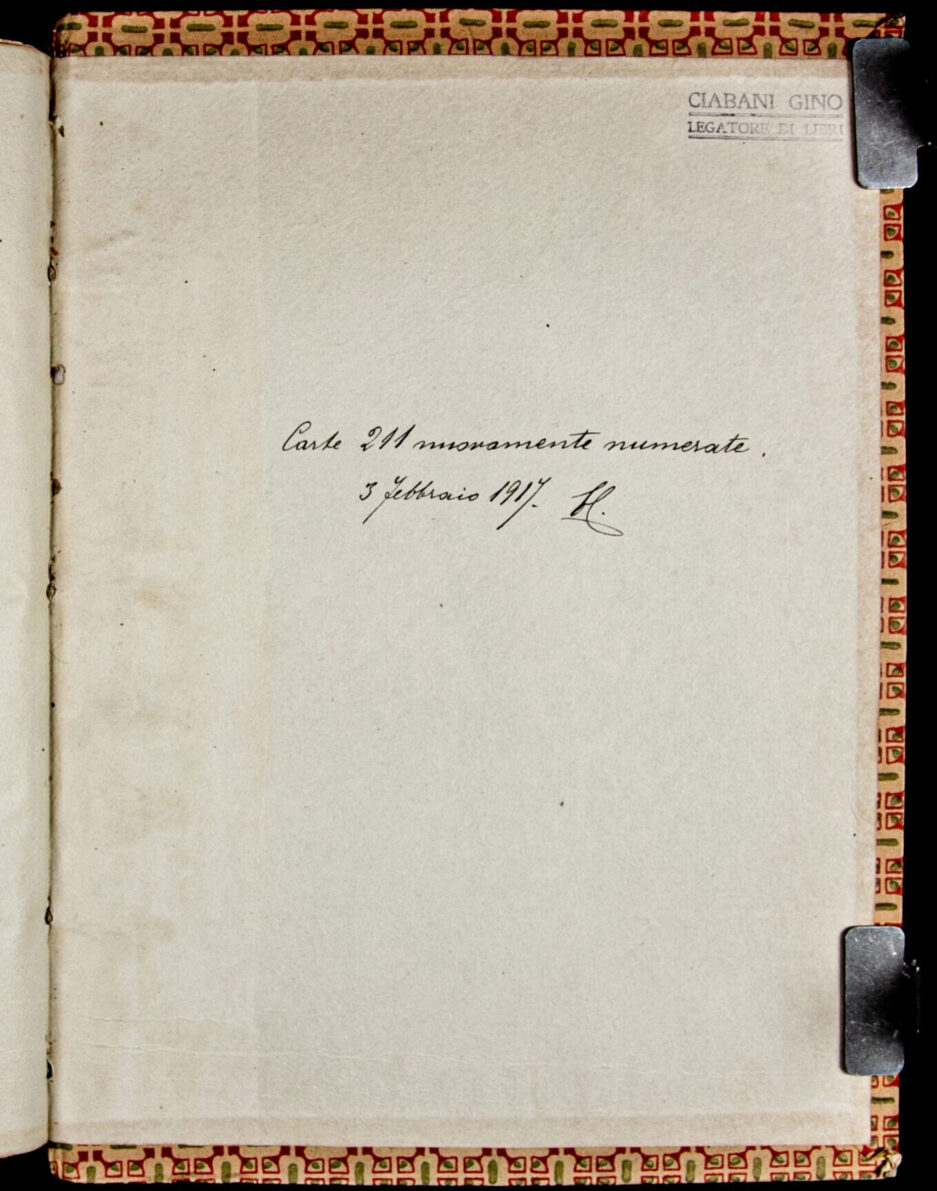
Other labels inside the manuscript likewise reflect its provenance. For example, an inner cover of a rebound volume (Vol. 1514) shows a label that designates the manuscript as part of the holdings acquired by the BNCF from the Magliabechiana collection, a collection of approximately 30,000 manuscripts bequeathed to the city of Florence by the seventeenth-century Italian scholar Antonio Magliabechi.
Additionally, a stamp and a note on another inside cover refer to “Ciabani Gino Legatore di Libri,” a professional Florentine bookbinder responsible for the early-twentieth-century rebinding of Bronzini’s work. The written text in the center of the page dates the binding of this volume (Vol. 1513) to “3 FEBBRAIO 1917.” It is likely that the two timbri di proprietà were added during this rebinding.
This finding aid/concordance table is, first and foremost, intended to be used alongside the Medici Archive Project’s Digital Bronzini, which encompasses the 32 manuscript tomes containing Bronzini’s encylopedic dialogue (Magl. VIII 1513 – 1534) and the four manuscript appendices (1535 – 1538).
In an effort to visibilize the contents of the mansucript volumes, as well as facilitate research concerned with dating sections of the manuscript, Bronzini’s editorial process, and the volumes’ provenance from the Seicento to the present, the table is organized horizontally. This structure allows for a visualization of how the giornate contained in the 32 manuscript volumes corresponds to the giornate catalogued in the appendices and published in the published volumes. As a note: the four appendices volumes are represented twice, in rows 37-40 and columns M-P. The former allows for a record of the structure and content of those volumes, while the later allows scholars to see which giornate are accounted for in the manuscript appendices.
These documents, including Cristofano Bronzini’s will and death record, reveal new information about both his personal relationships and his religious affiliations in Florence.
Cristofano Bronzini’s Will
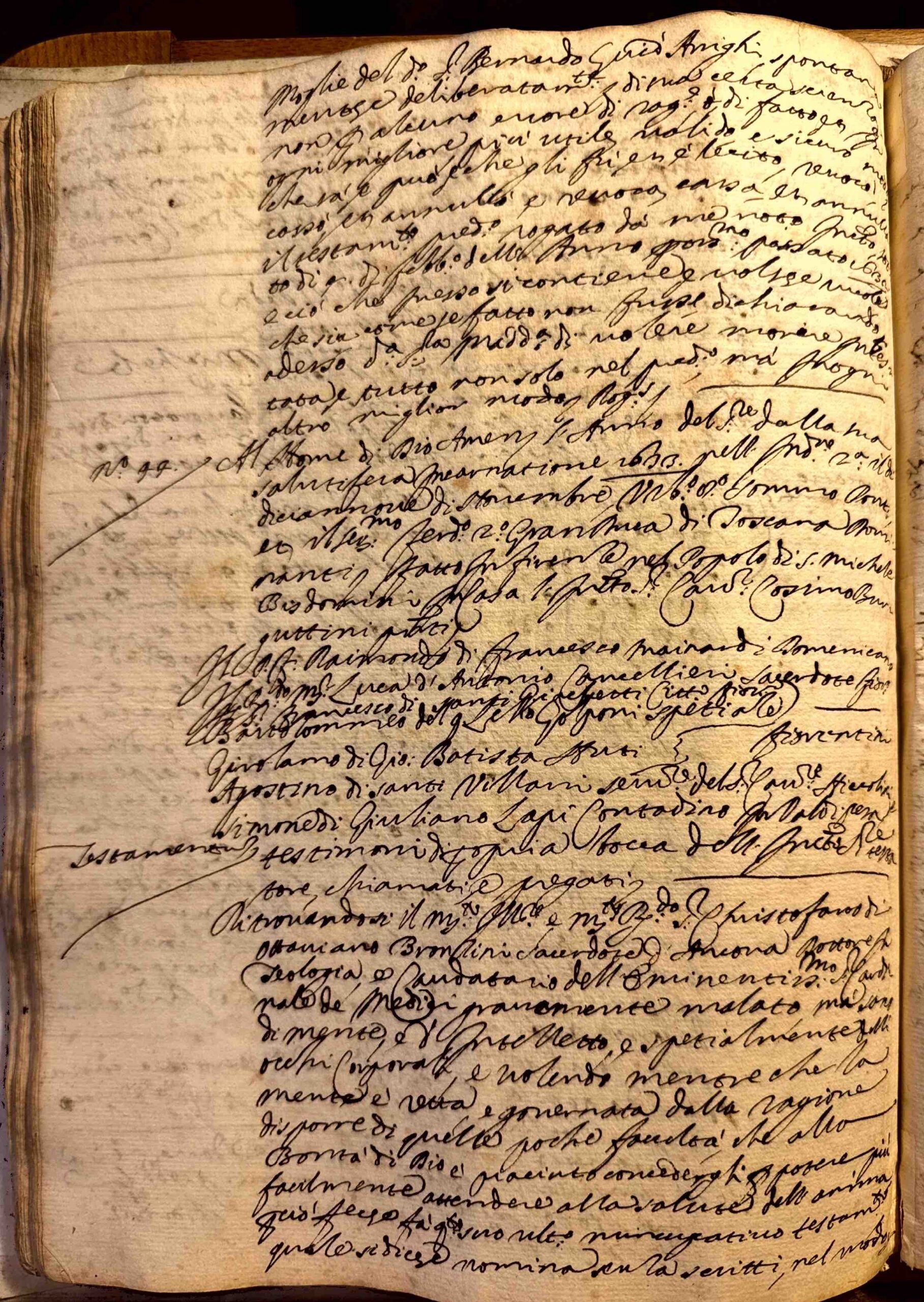
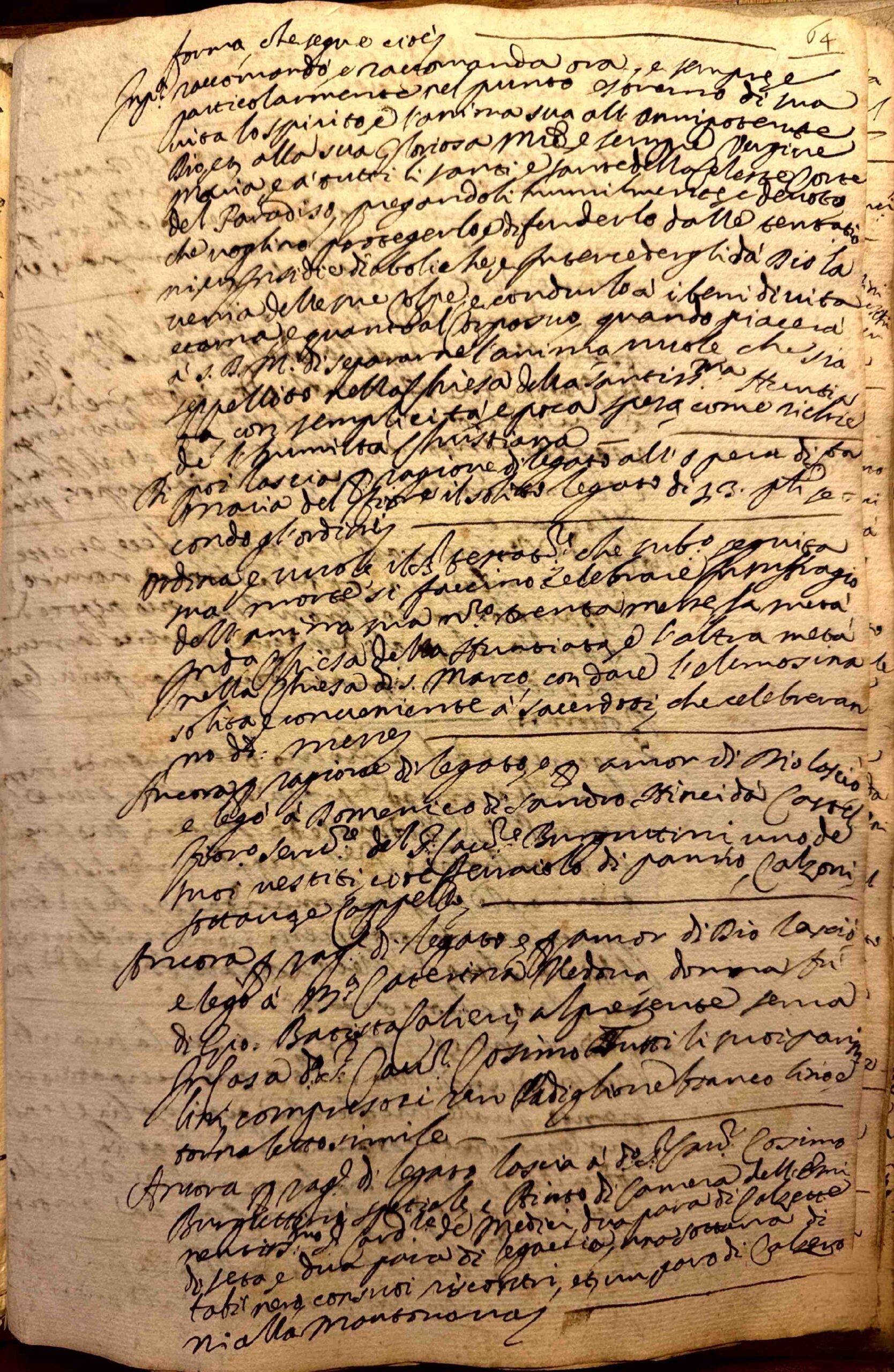
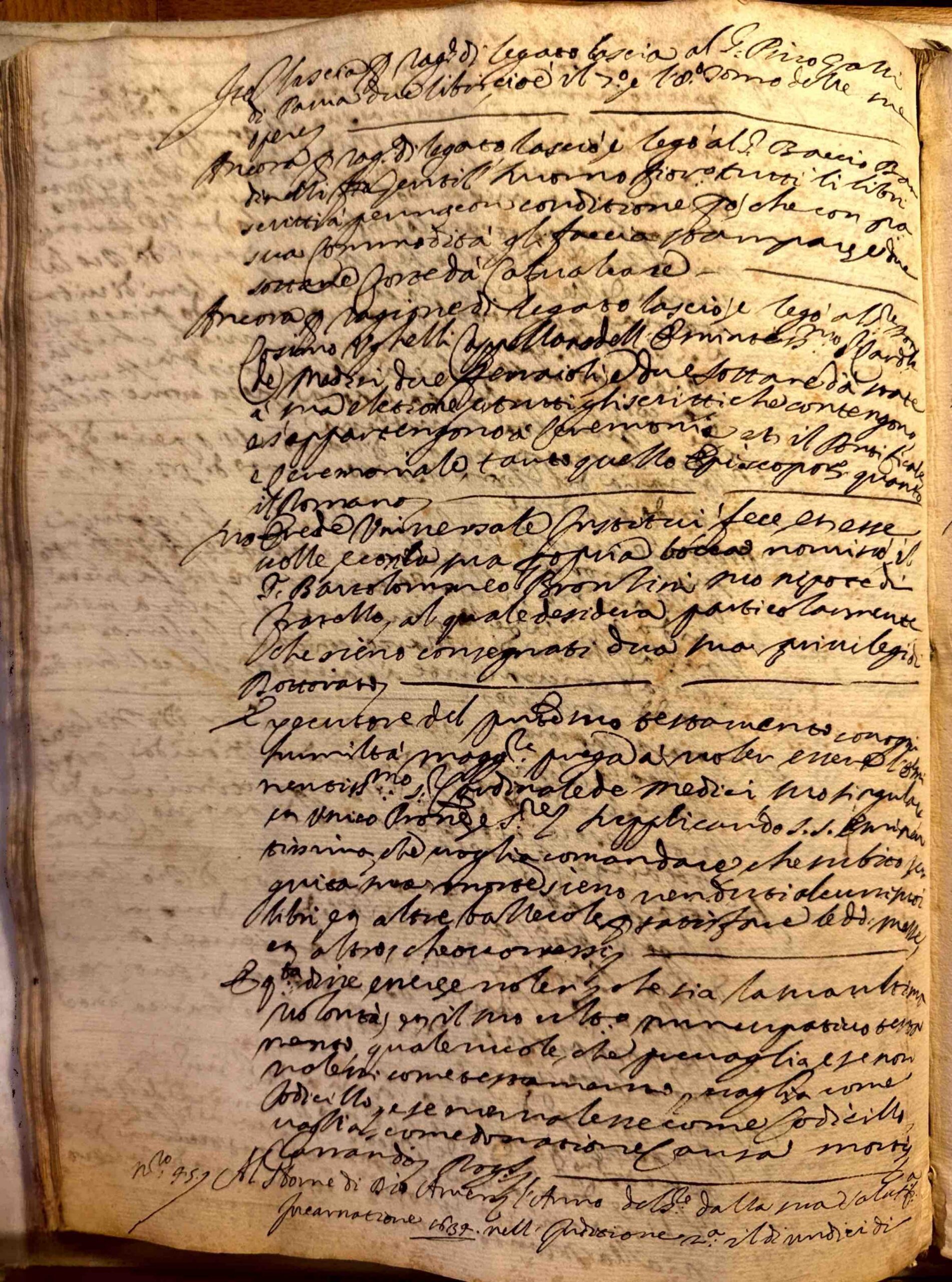
The third full entry of Bronzini’s will, located in the middle of the second page (beginning with “Ordina”), provides insight into the author’s parochial associations in Florence. In this entry, Bronzini requests that “thirty Masses be celebrated for the repose of his soul, half of them to be held in the church known as [Annunziata?] and the other half in the Church of San Marco” (celebrare in suffragio dell’anima sua numero trenta messe fa mesa’ in da Chiesa detta [Annunziata?] e l’altra meta’ nella Chiesa di San Marco). As he requested to be buried in the Convent of San Marco (see death record), this might suggest a particular association with Florence’s Dominican order.
Later entries reveal Bronzini’s deep concern for his literary legacy. In the first full entry on the third page of the will, Bronzini bequeaths all of his “written books” (i libri scritti a penna) to his friend Baccio Bandinelli il Giovane (1579–1636), the grandson of the famous sculptor Baccio Bandinelli (1493–1560). He specifies both his purpose for the gift and his expectations for Bandinelli, writing “on the condition, however, that he have them printed at his convenience and, perhaps, make copies of them for safekeeping” (con conditione però che con sua comodità gli faccia stampare e di essi trarre forse da cautelare). This strict condition exposes Bronzini’s anxiety about the fate of his manuscripts following his death, showing how deeply he feared they would be lost or left uncirculated.
Bronzini’s Death Record
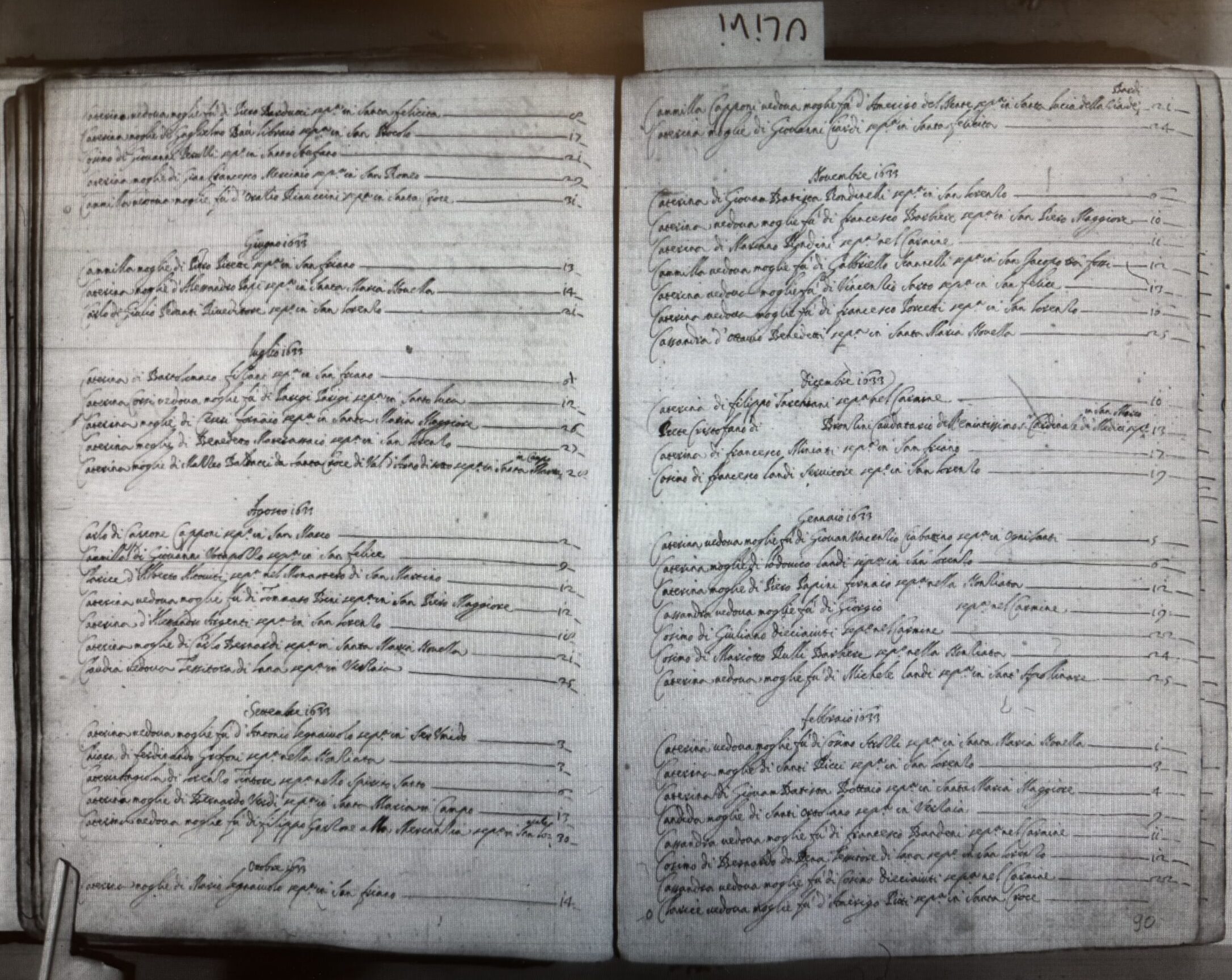
The Florentine death record of December 1633 reveals that Bronzini died on the thirteenth of the month, reading: “Father Cristofano di Bronzini, Master of Ceremonies to the most eminent Cardinal de’ Medici, buried in San Marco” (Prete Cristofano di Bronzini Caudatario dell’eminentissimo Cardinale de’ Medici, seppellito in San Marco). This documentation confirms Bronzini’s connection to the Dominican Convent of San Marco, which is further detailed in his will, where he allocated funds for thirty memorial masses to be performed at the church.

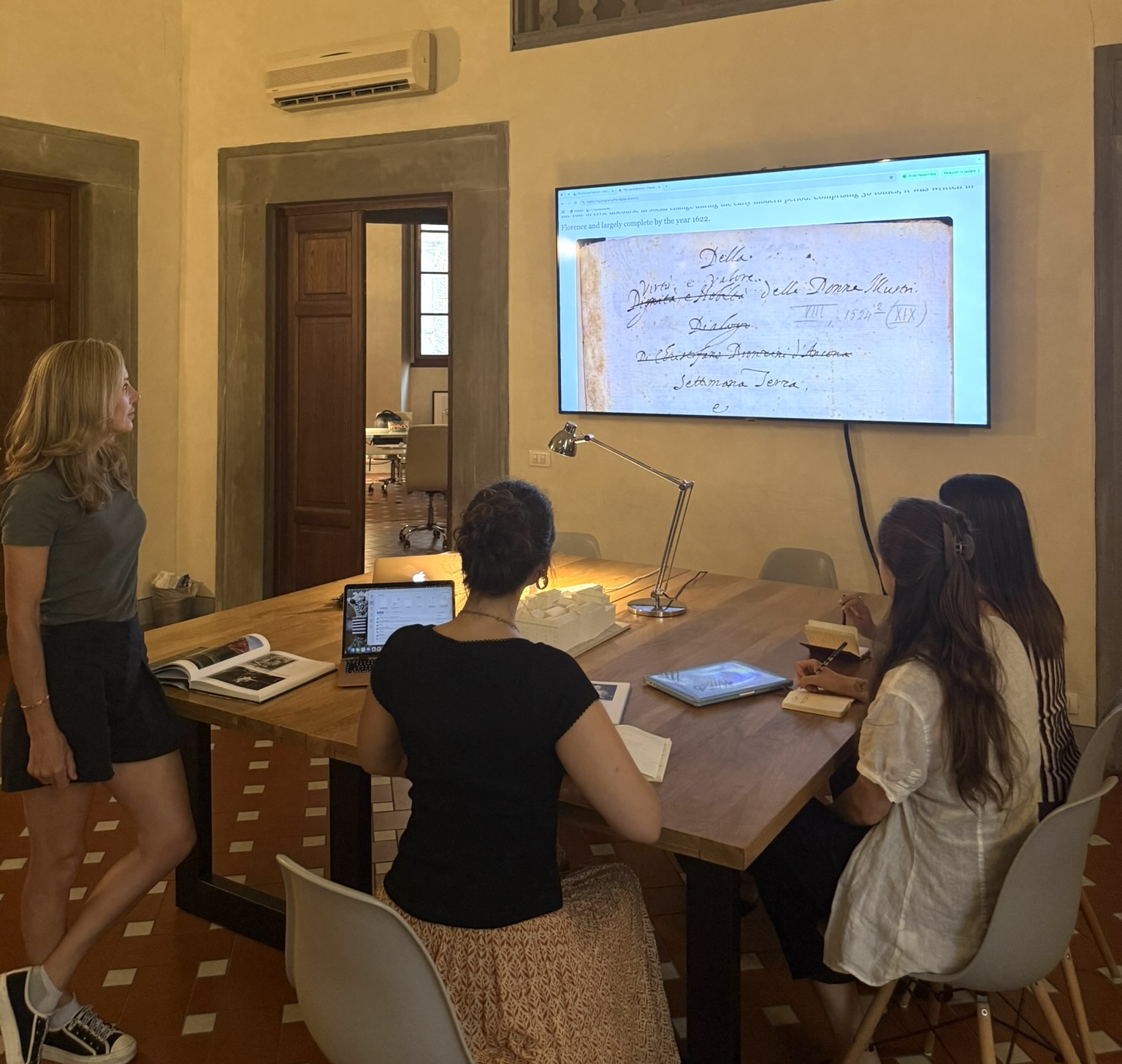
On the Dignity and Nobility of Women offers rich material for scholars in Comparative Literature, History, Art History, and Publishing. Below, explore current research dedicated to Bronzini’s manuscript, conducted by MAP interns and scholars.
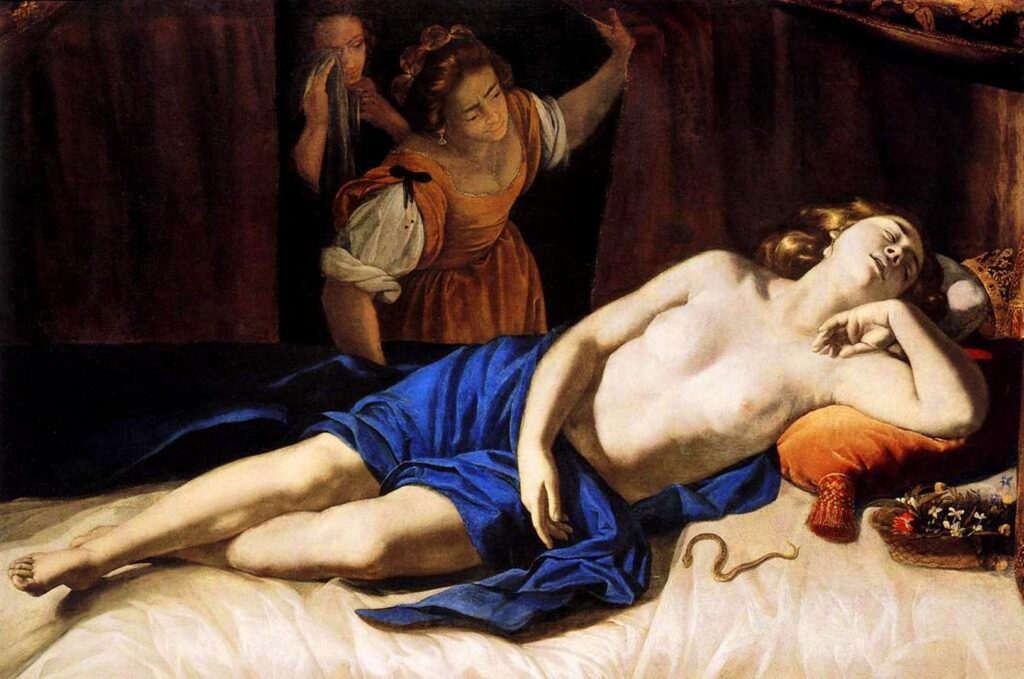
Cleopatra VII, the ruler of Egypt from 51–30 BCE, and her suicide following the Battle of Actium (31 BCE) to avoid enslavement by Caesar Augustus were central topics in the querelle des femmes debates throughout the early modern period. In Della dignità, & nobiltà delle donne, Cristoforo Bronzini defends Cleopatra’s suicide as an honorable, necessary act to preserve her virtue (altro offesse il candidissimo). Furthermore, he writes that she “inflicted a wound upon her pure, innocent breast and took her own life” (inferito petto a volontaria morte). This sympathetic portrayal of Cleopatra as an innocent and virtuous woman contrasts sharply with the account by Italian writer and poet Giovanni Boccaccio in his 1362 treatise De mulieribus claris. In the book, Boccaccio reinforced the familiar characterization of the queen as a temptress, writing that Cleopatra “came to rule through crime,” and that she “gave herself to her pleasures…almost the prostitute of Oriental kings, and greedy for gold and jewels.” To counter these prevailing negative associations, Bronzini intentionally omits any mention of Cleopatra’s alleged lustfulness or physical appearance. Instead, he praises her bravery to commit suicide to protect her honor. His stance carefully avoids the strict Catholic condemnation of the act, famously illustrated in Dante Alighieri’s Inferno, which categorized suicide as one of the worst sins. Ultimately, Bronzini’s defense of Cleopatra reflects a broader humanist effort to provide a more nuanced view of suicide when used to escape tyranny or dishonor.
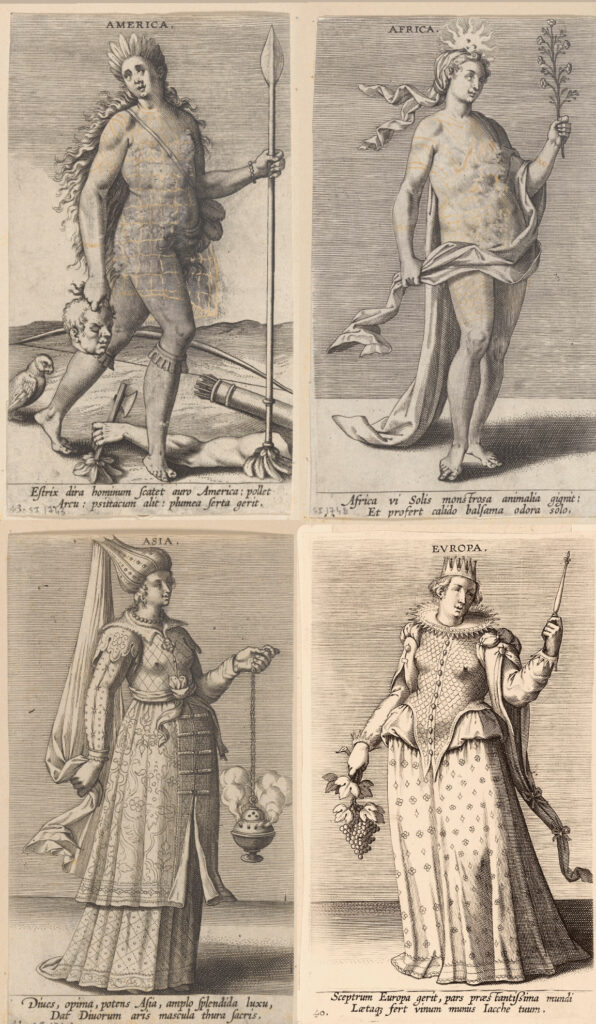
Natali Muñoz (Syracuse University) researched the global component of Bronzini’s treatise, tracing his entries on women outside of Italy in Europe and across Africa, Asia, and America. This research was primarily concerned with Bronzini’s ethnographic observations as well as his notes on theological and mythological women, female rulers, and other roles attributed to women across these regions. Some examples of these instances include Bronzini’s praise of Isotta Nogarola’s Dialogue on Adam and Eve, his ethnographic notes on Egypt through his entries on ancient goddesses such as Isis, and the marriage customs of Ethiopian women. This broad scope aims to identify potential avenues for comparing Bronzini’s representations of women across geographic and cultural contexts.
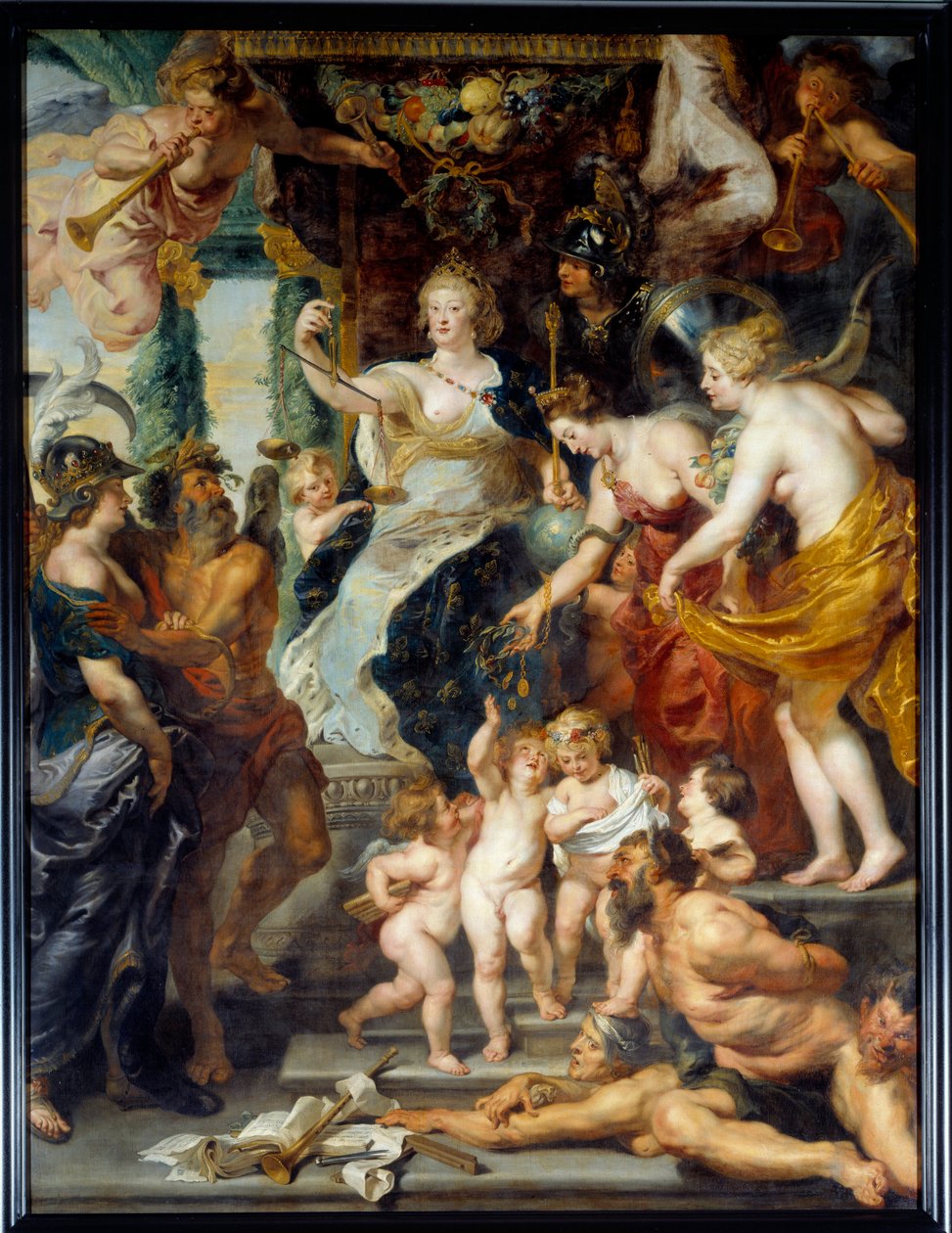
Principally dedicated to Archduchess Maria Maddalena d’Austria, Grand Duchess of Tuscany, Bronzini’s encyclopedic dialogue on the dignity, nobility, virtue, and valor of honorable and illustrious women was subsequently dedicated to three other early modern female rulers. As scholars have noted, in 1628 Bronzini co-dedicated the third published volume to Maria Maddalena and her recently married daughter, Margherita de’Medici, Duchess of Ferrara. Following Maria Maddalena’s death in 1631, Bronzini dedicated the dialogue’s fourth published volume to Grand Duchess of Tuscany Cristina di Lorena, the mother of Bronzini’s patron, Cardinal Carlo de’Medici, and Maria Maddalena’s co-regent between 1621 and 1628. Analysis of the unpublished manuscript volumes reveals a fourth, and as-yet unnoticed, dedicatee: Maria de’ Medici, Queen of France and regent between 1610-1617. While scholars have focused on the dedication of the dialogue to Maria Maddalena, these subsequent dedications in both the published and unpublished volumes suggest that Bronzini’s project had resonance and utility beyond the seventeenth-century Grand Ducal court for himself and the female rulers of post-Tridentine Europe.
- Barker, Sheila. “The First Biography of Artemisia Gentileschi: Self-Fashioning and Proto-Feminist Art History in Cristofano Bronzini’s Notes on Women Artists.” Mitteilungen des Kunsthistorischen Institutes in Florenz 60, no. 3 (2018): 404–35.
- Capucci, Martino. “Bronzini, Cristoforo.” In Dizionario Biografico degli Italiani, vol. 14. Istituto della Enciclopedia Italiana, 1972. https://www.treccani.it/enciclopedia/cristoforo-bronzini_(Dizionario-Biografico)/.
- Collina, Beatrice. “L’esemplarità delle donne illustri fra Umanesimo e Controriforma.” In Donna, disciplina, creanza cristiana dal XV al XVII secolo: Studi e testi a stampa, edited by Gabriella Zarri. Edizioni di Storia e Letteratura, 1996: 103–119.
- Cusick, Suzanne G. Francesca Caccini at the Medici Court: Music and the Circulation of Power. University of Chicago Press, 2009.
- Dialeti, Androniki. “Defending Women, Negotiating Masculinity in Early Modern Italy.” In The Historical Journal 54, no. 1 (2011): 1–23.
- Gogol, Ryan. “The Literary Exchange between Lucrezia Marinella and Cristofano Bronzini.” In Lucrezia Marinella: De’gesti eroici e della vita maravigliosa della serafica S. Caterina da Siena, edited by Armando Maggi. Longo Editore, 2011.
- Harness, Kelley Ann. Echoes of Women’s Voices: Music, Art, and Female Patronage in Early Modern Florence. Chicago University Press, 2006.
- Strunck, Christina. “Die femme fatale im Kirchenstaat: Positionen der Querelle des Femmes in Rom (1622–1678).” In Frauen und Päpste: Zur Konstruktion von Weiblichkeit in Kunst und Urbanistik des römischen Seicento, edited by Eckhard Leuschner and Iris Wenderholm. De Gruyter, 2016.
- von Tippelskirch, Xenia. “Die Indexkongregation und die Würde der Frauen: Cristofano Bronzini, ‘Della dignità e nobiltà delle donne’.” In Frauen in der Frühen Neuzeit: Lebensentwürfe in Kunst und Literatur, ed. by Anne-Marie Bonnet and Barbara Schellewald. Böhlau Verlag, 2004.
- von Tippelskirch, Xenia. “Letture e conversazioni a corte durante la reggenza di Maria Maddalena d’Austria e di Cristina di Lorena.” In Le donne Medici nel sistema europeo delle corti, XVI–XVIII secolo. Vol 1. ed. by Giulia Calvi and Riccardo Spinelli. Edizioni Polistampa, 2008.
- von Tippelskirch, Xenia. Sotto controllo: letture femminili in Italia nella prima età moderna. Viella, 2011.
THE PEOPLE BEHIND THE DIGITAL BRONZINI
The Digital Bronzini Project was initiated by Sheila Barker and contributed to by numerous scholars. Those scholars include Isabella Kershner, Natali Muñoz, Katie Vogel, Judith Weston, Katherine Rabogliatti, Lucia Garofalo, Madison Clyburn, Georgina Rowley, Sophie Jones, Kaylee Kelley, and Quinn Halprin. We thank the staff of the Sala dei Manoscritti at the Biblioteca Nazionale Centrale di Firenze for permitting us to carry out this work and offering kind assistance.
Currently, the Digital Bronzini is overseen by a committee that includes Sheila Ffolliott (MAP), Elizabeth Fama (MAP), Sara Mansutti (Transkribus), Katherine Rabogliatti (Syracuse University), Georgina Rowley (University of East Anglia), Carin Zwilling (University of Sao Paulo), Claudius Schettino (Philobiblion), Oded Zrachia (Tel Aviv University), and Nicholas Herman (Schoenberg Institute for Manuscript Studies, University of Pennsylvania).