
Director
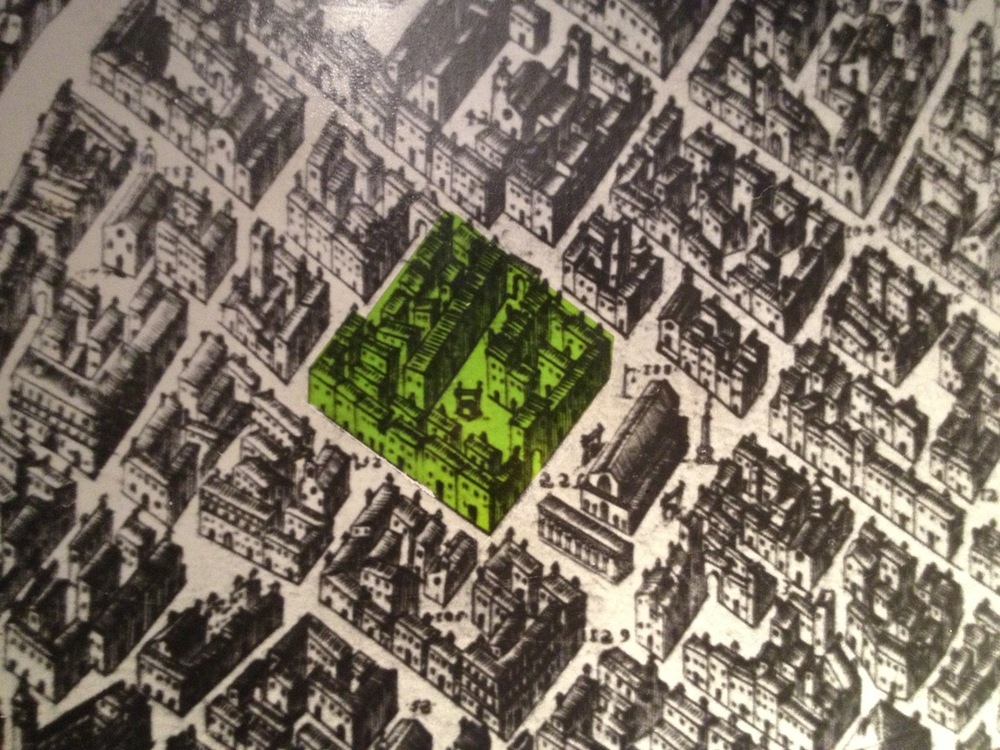
Jewish presence in Tuscany is attested as early as the Early Middle Ages, most likely originating from groups of central Italian provenance. From the fifteenth century onward, the small communities that made up the Tuscan Jewish mosaic forged highly productive relationships with the majority society, also enjoying particularly close ties with the Medici. It was thanks to Cosimo the Elder that, in 1437, a group of Jewish families was granted permission to reside in Florence and engage in small-scale moneylending. From this nucleus, a formally recognized religious community was established. Relations between the Jewish minority and the Medici reached a turning point in 1570, when Cosimo, having been appointed Grand Duke, created the Florence Ghetto. Our programme has played a leading role in the study of archival documentation relating to these phases of Jewish history, identifying thousands of largely unknown texts. Of particular importance are those documents concerning the creation and development of the ghetto (the only Jewish ghetto under grand-ducal ownership), which constitute by far one of the most significant corpora— in terms of quantity, quality, and chronological breadth—relating to a Jewish community. Building on this historical trajectory, our programme now resumes this line of inquiry by launching a new and ambitious research project, the Demography Repository of Tuscan Jews (ca. 1450–1750), which aims to become the principal reference corpus for the study of Judaism during the Medici era.
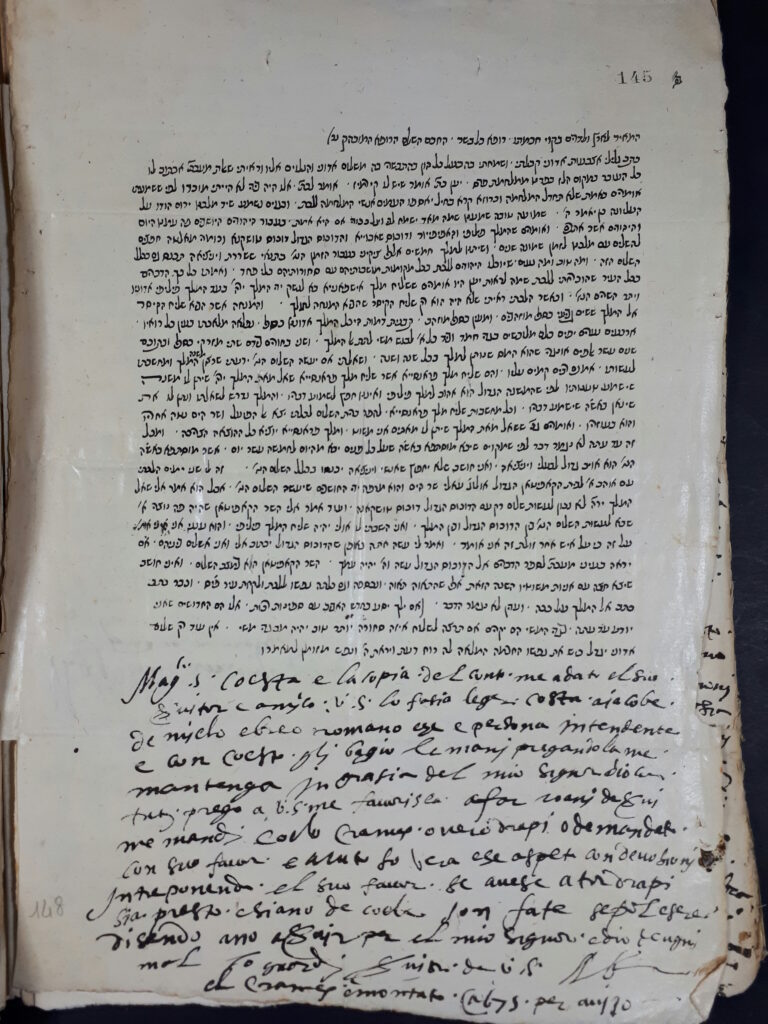
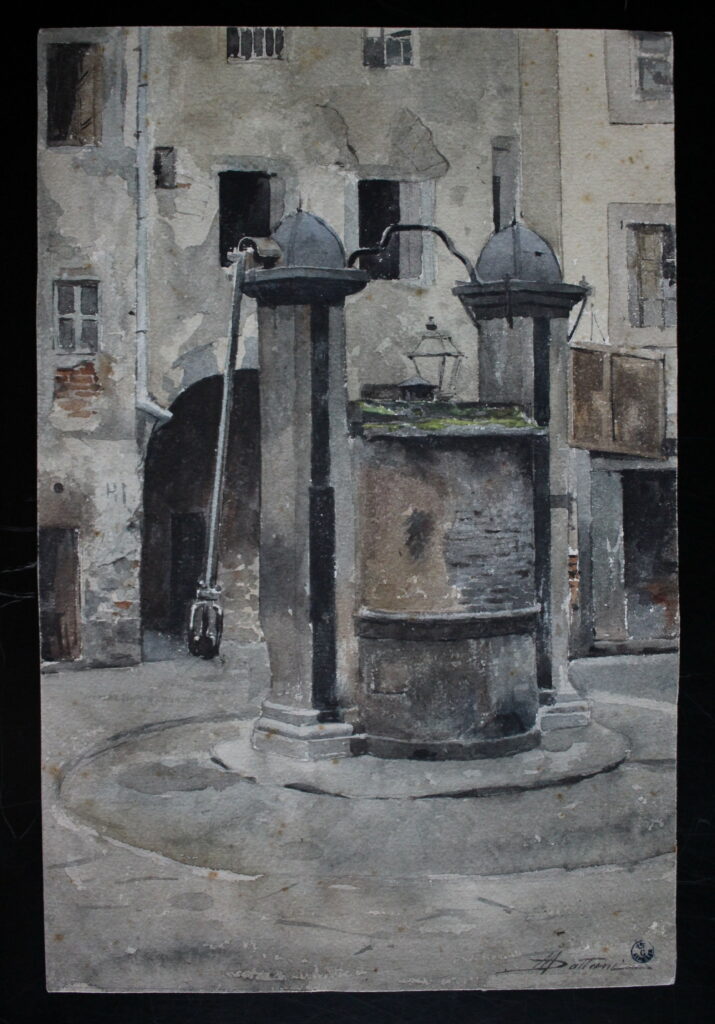
On the basis of this vast body of information, the exhibition “The Jews, the Medici, and the Ghetto of Florence” (23 October 2023 – 27 January 2024) was organized at Palazzo Pitti. The exhibition attracted a very large audience and sparked a lively debate, including within the academic community. In addition to the numerous contributions already published on the subject, particular importance should be given to the volume Before the Ghetto – The Segregation of the Jews of Tuscany (January 2026), which publishes, examines, and historiographically contextualizes the entire body of documentation relating to the creation of the Florence ghetto. Building on this historical trajectory, our programme now resumes this line of inquiry by launching a new and ambitious research project, the Demography Repository of Tuscan Jews (ca. 1450–1750), which aims to become the principal reference corpus for the study of Judaism during the Medici era.
Staff

Swetha Ganeshkumar

Zaida Lagunas

Anna Malgeri
Alison Holdsworth
Jenna Wendler

Massimo Bomboni

Pia Desangles

Theodor David

Tori Burke